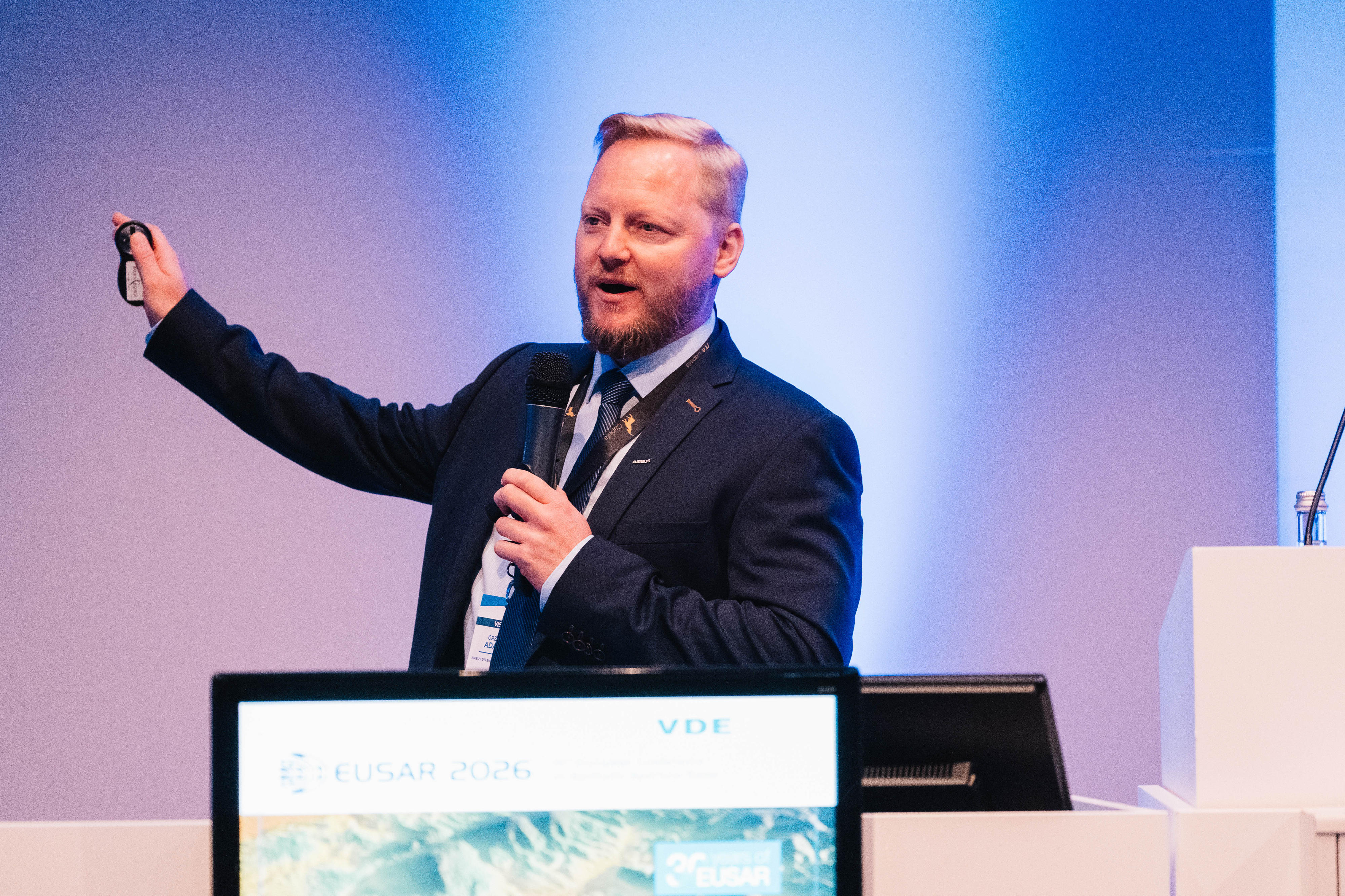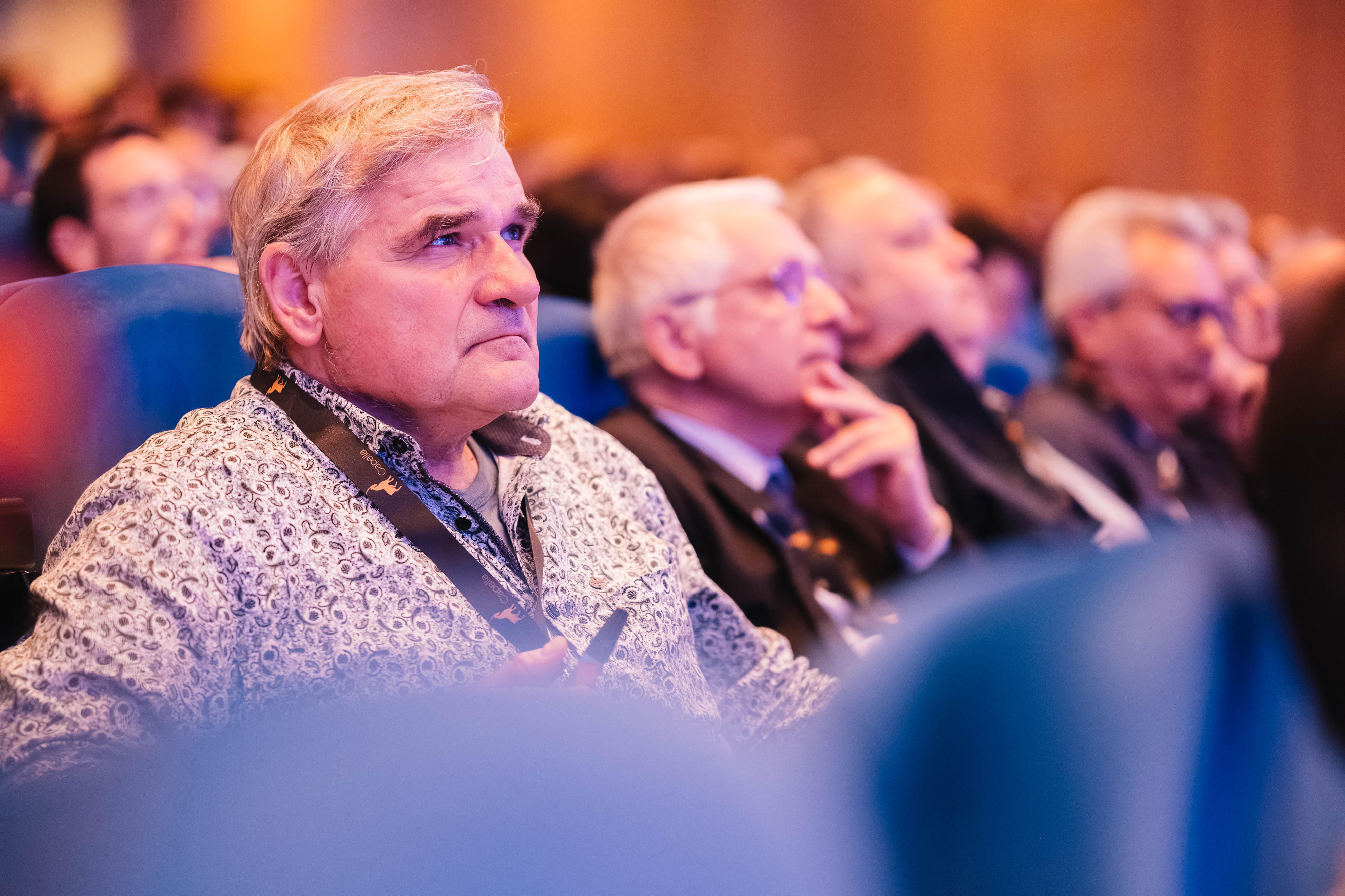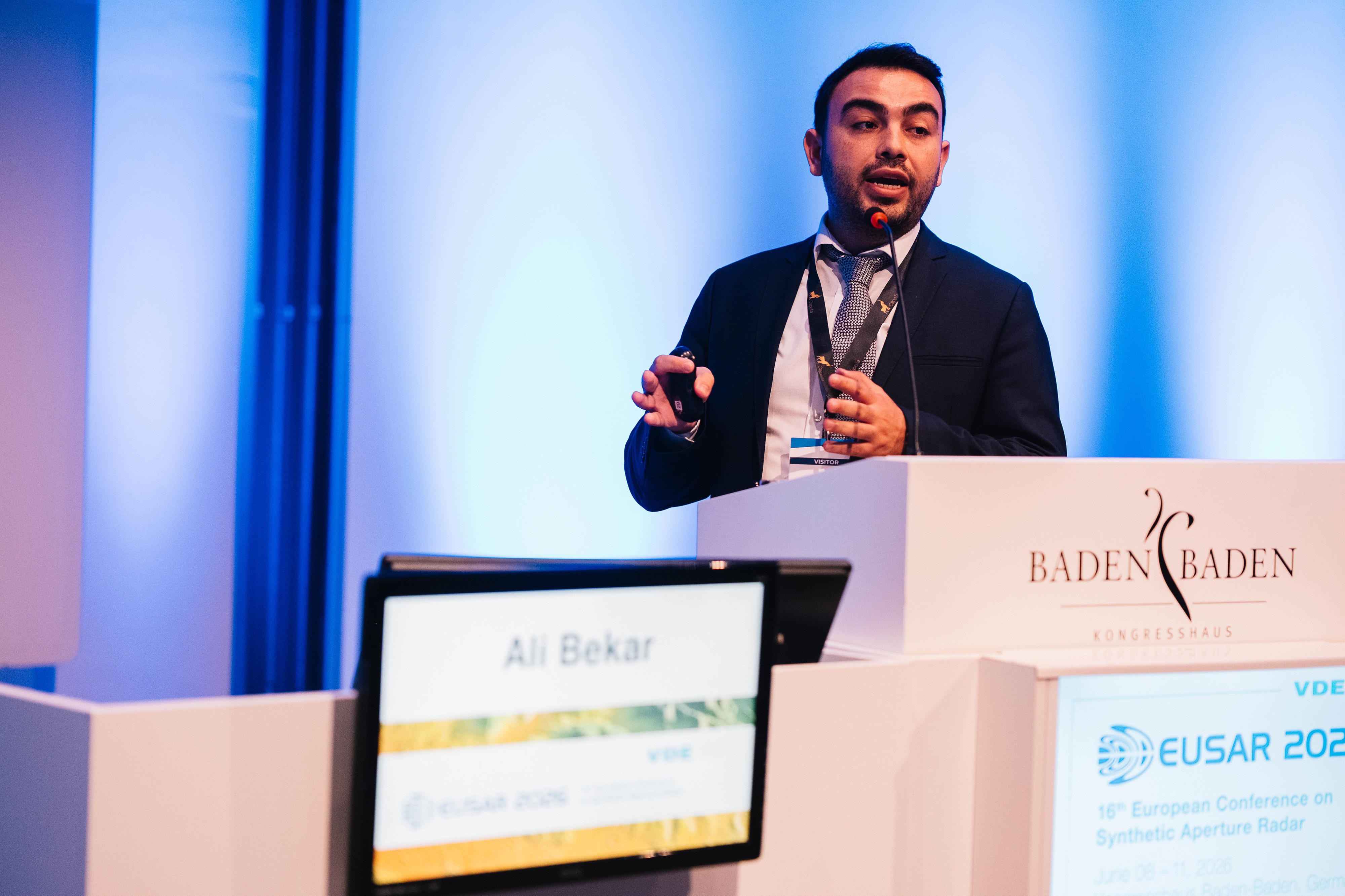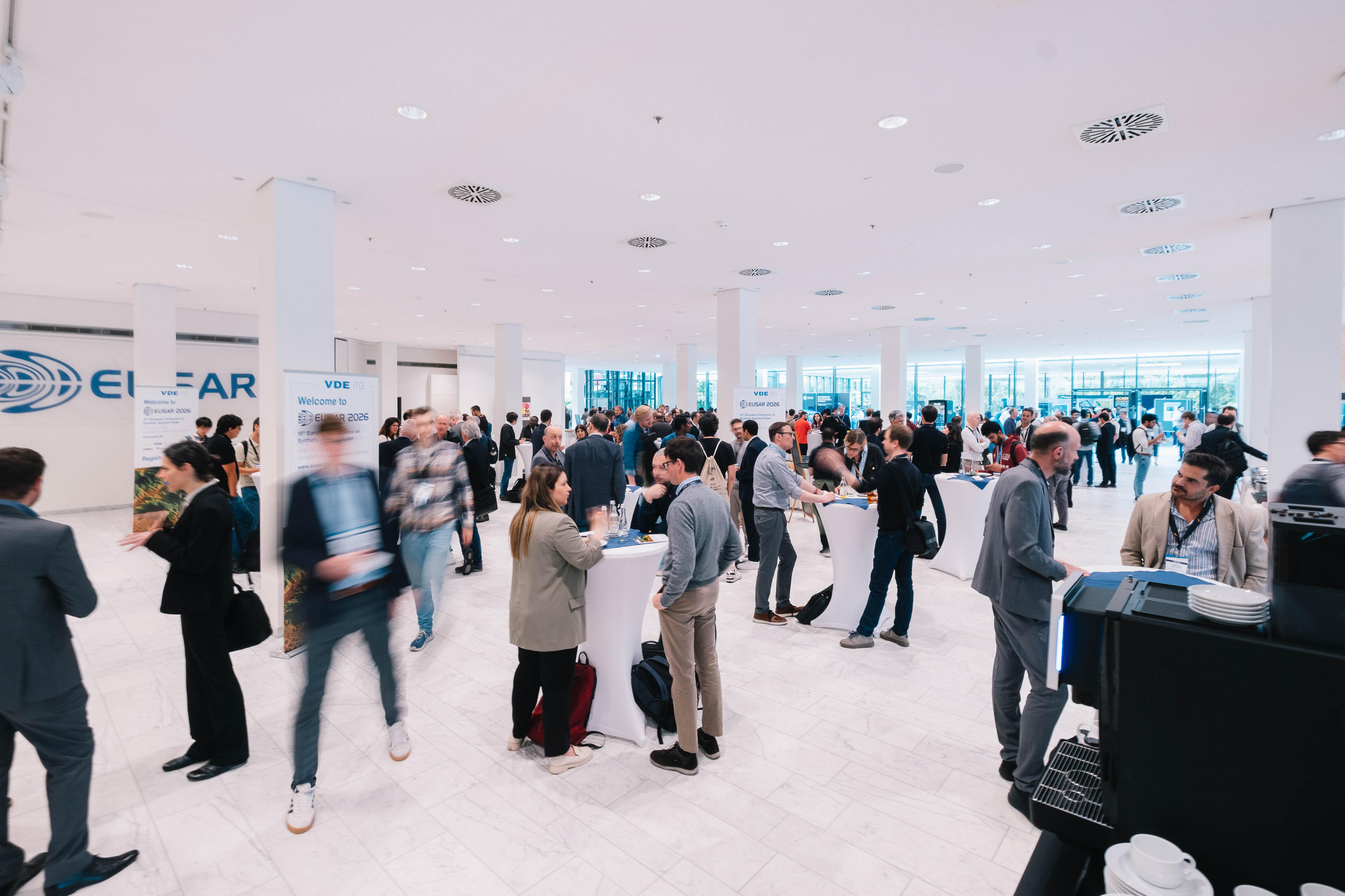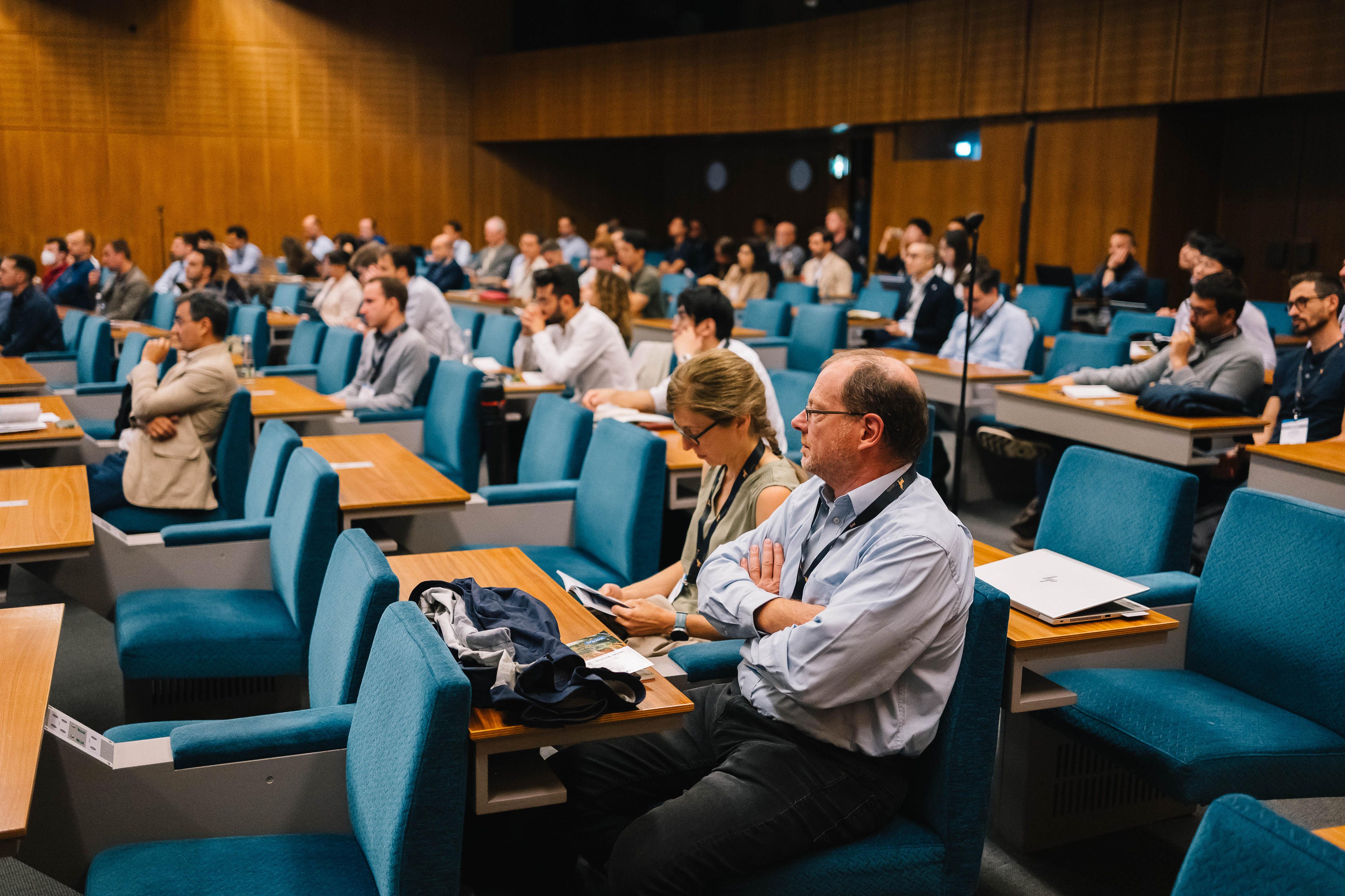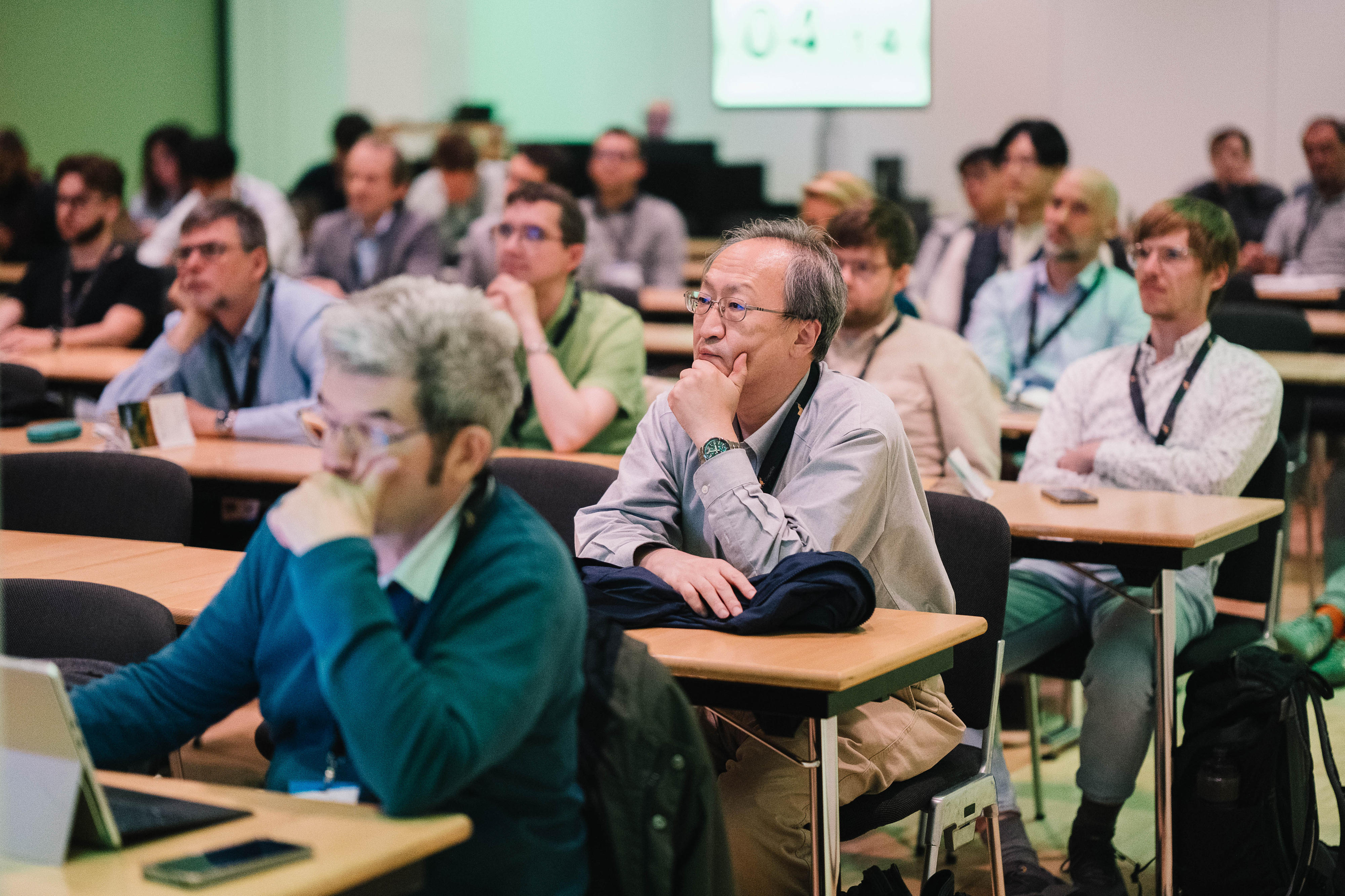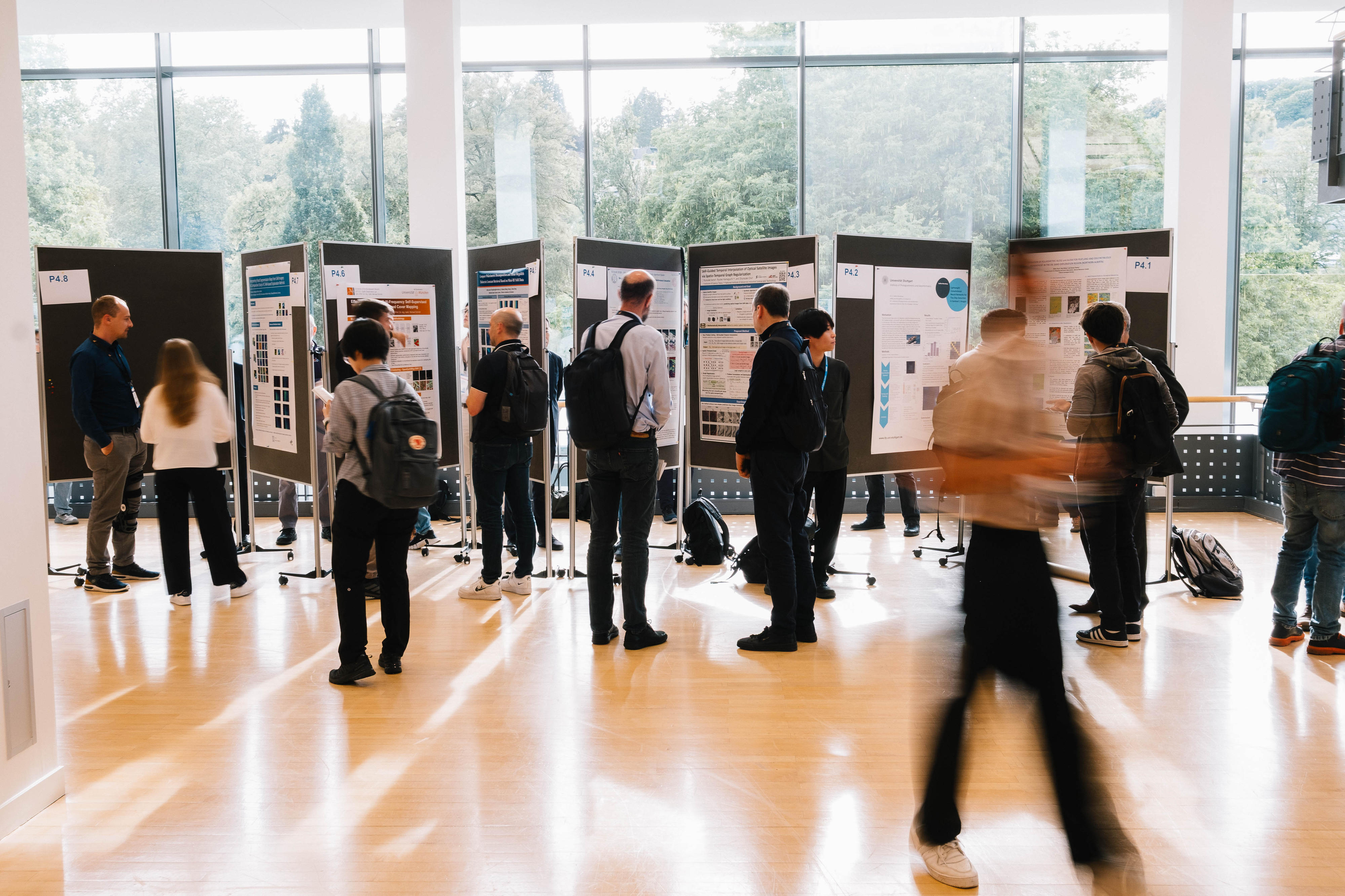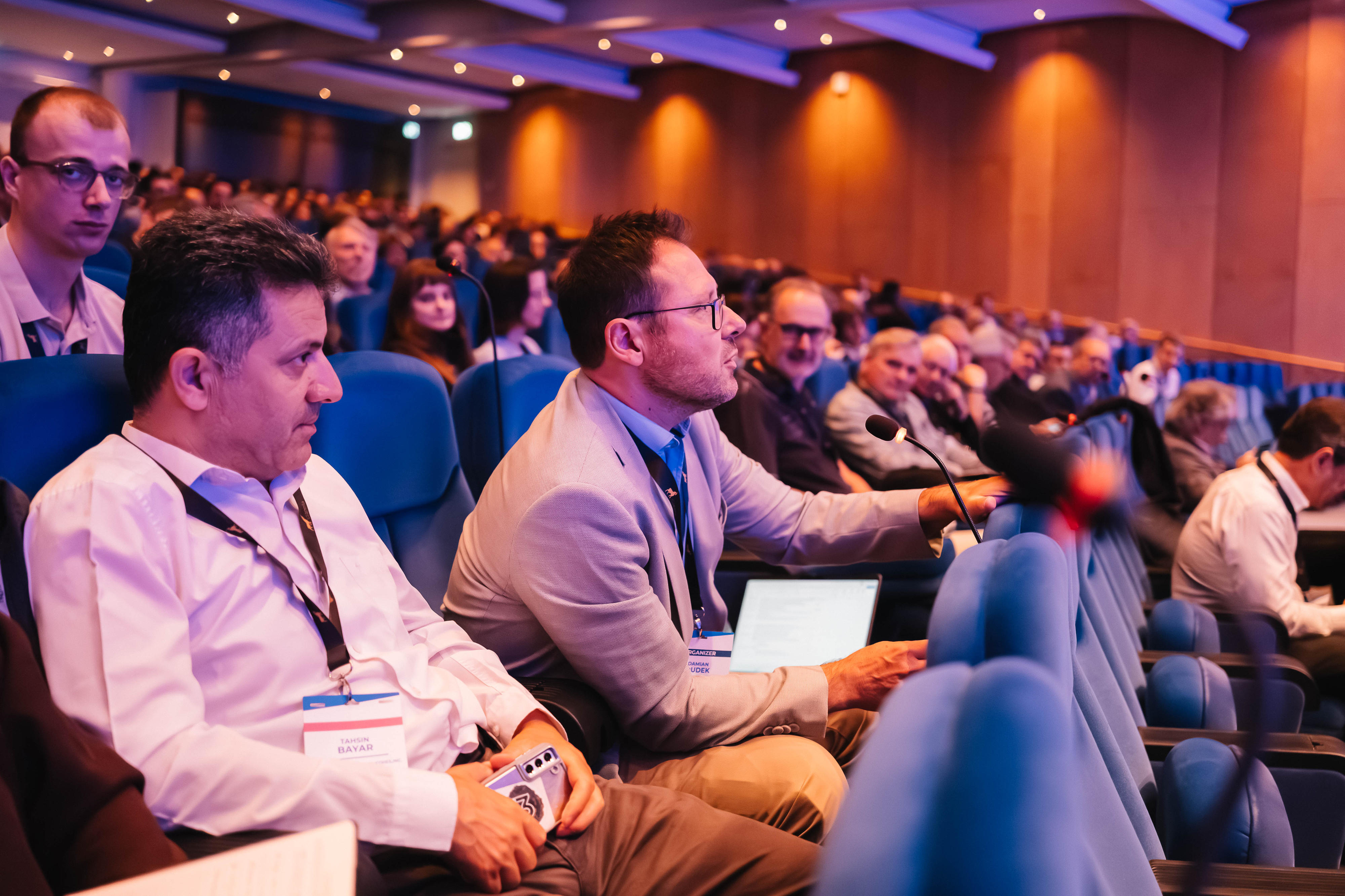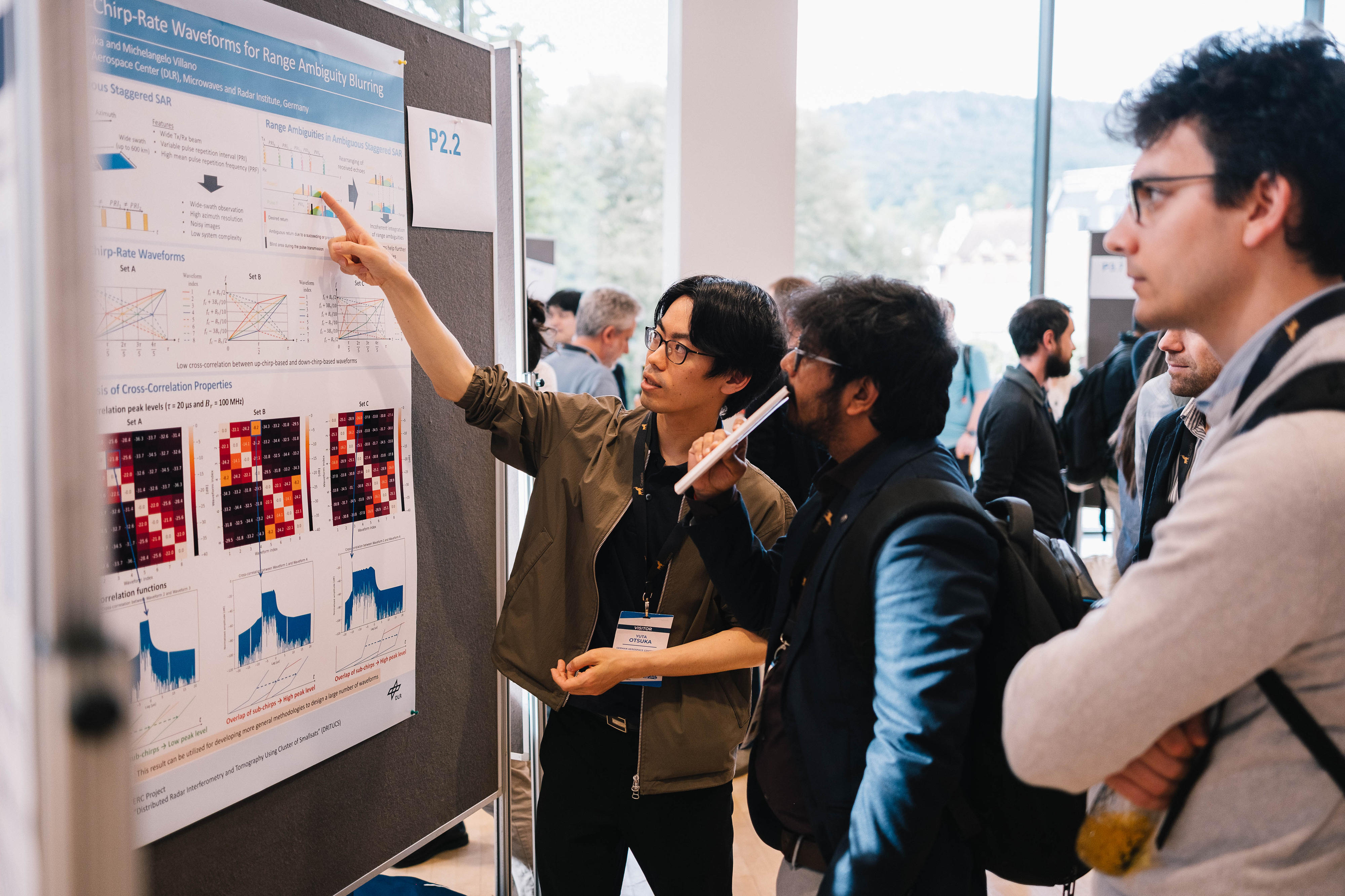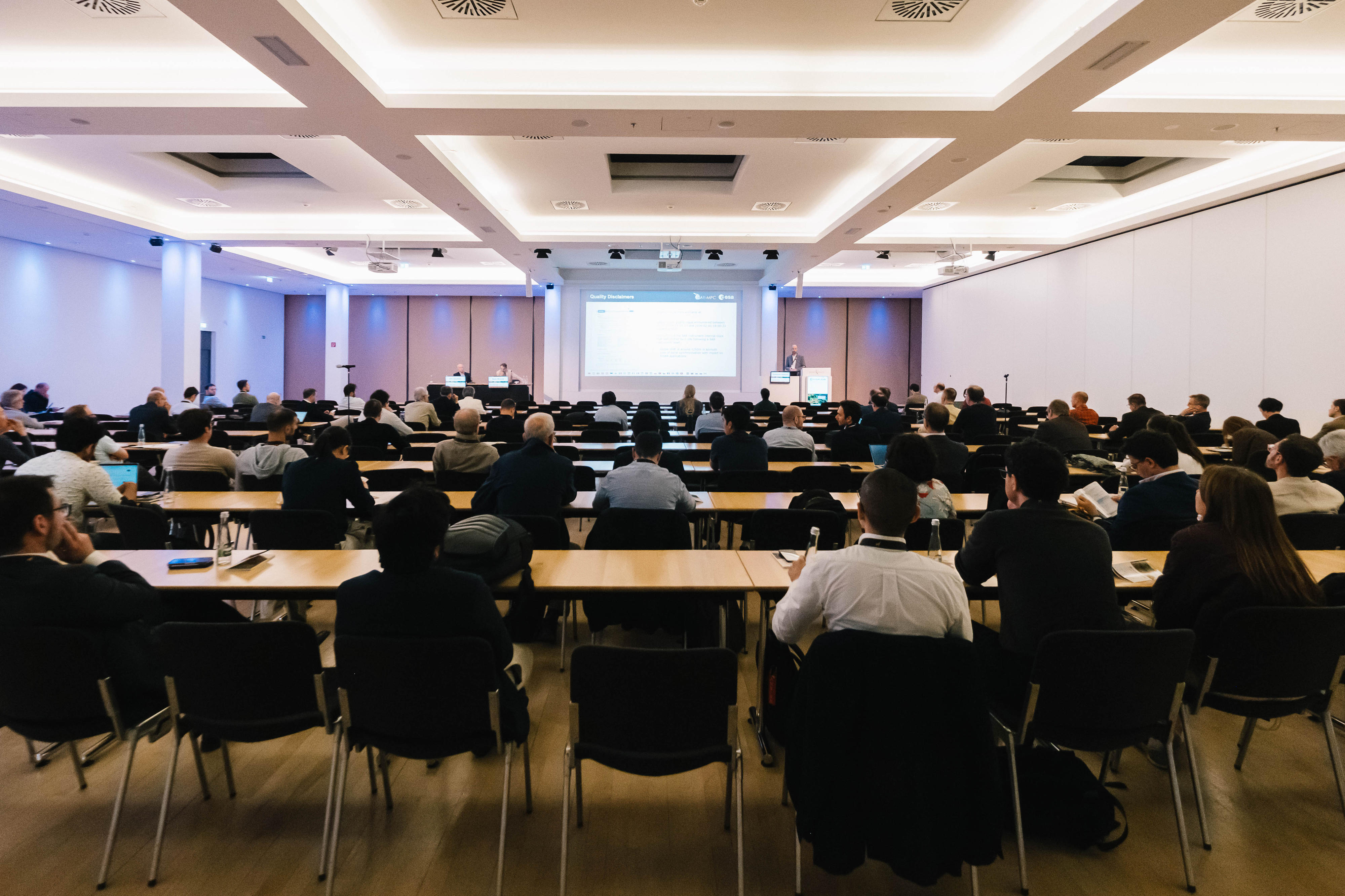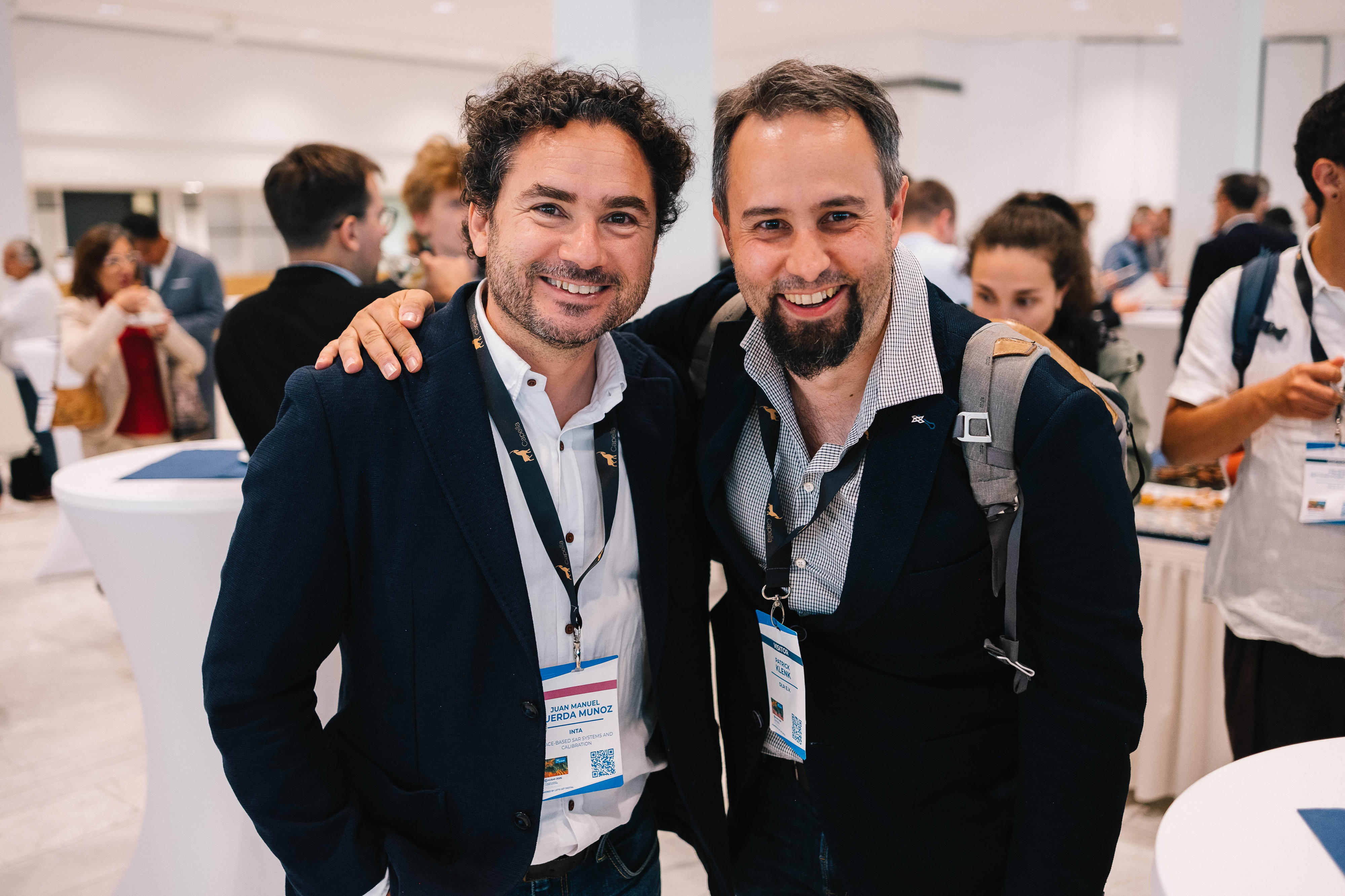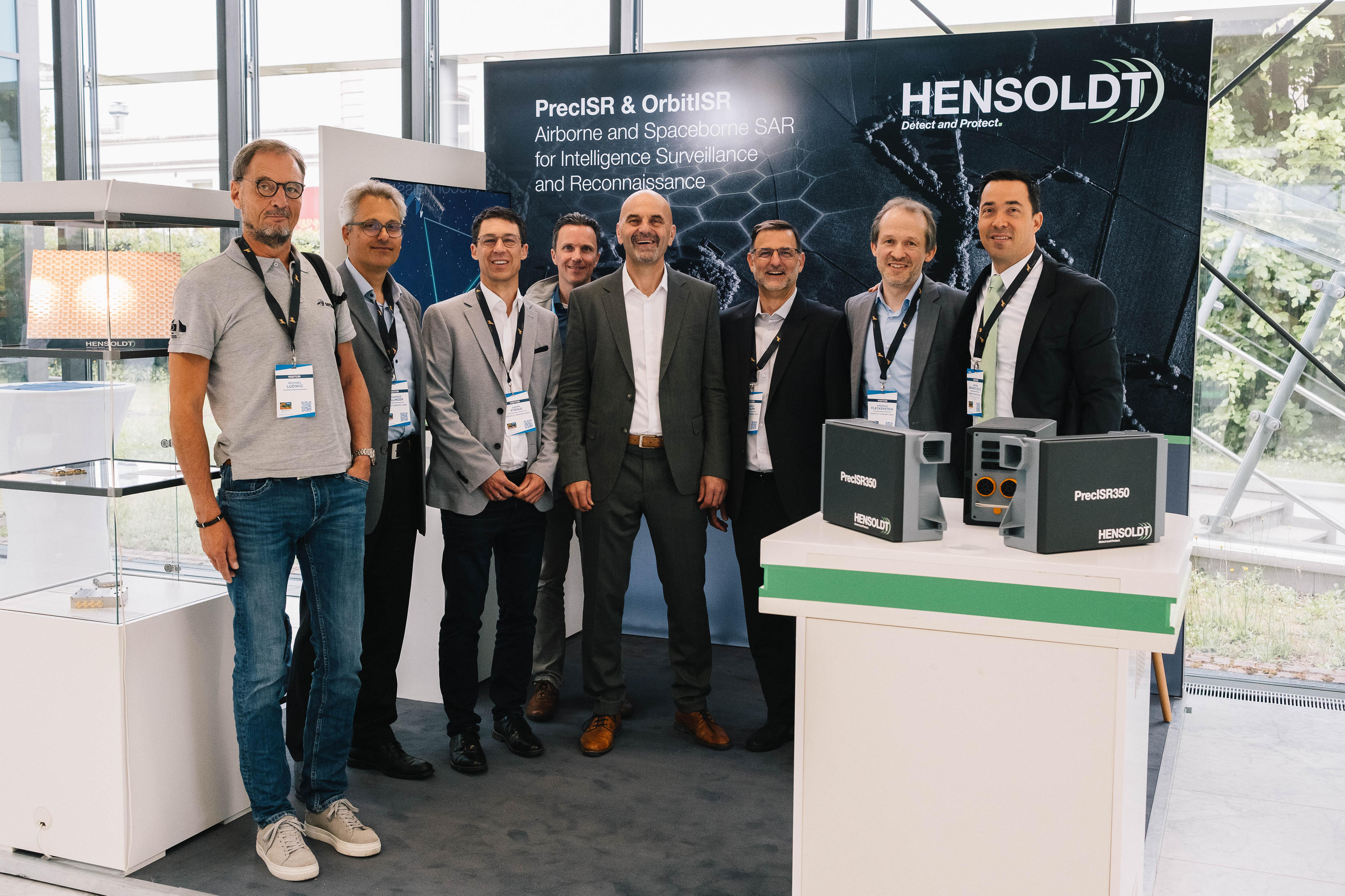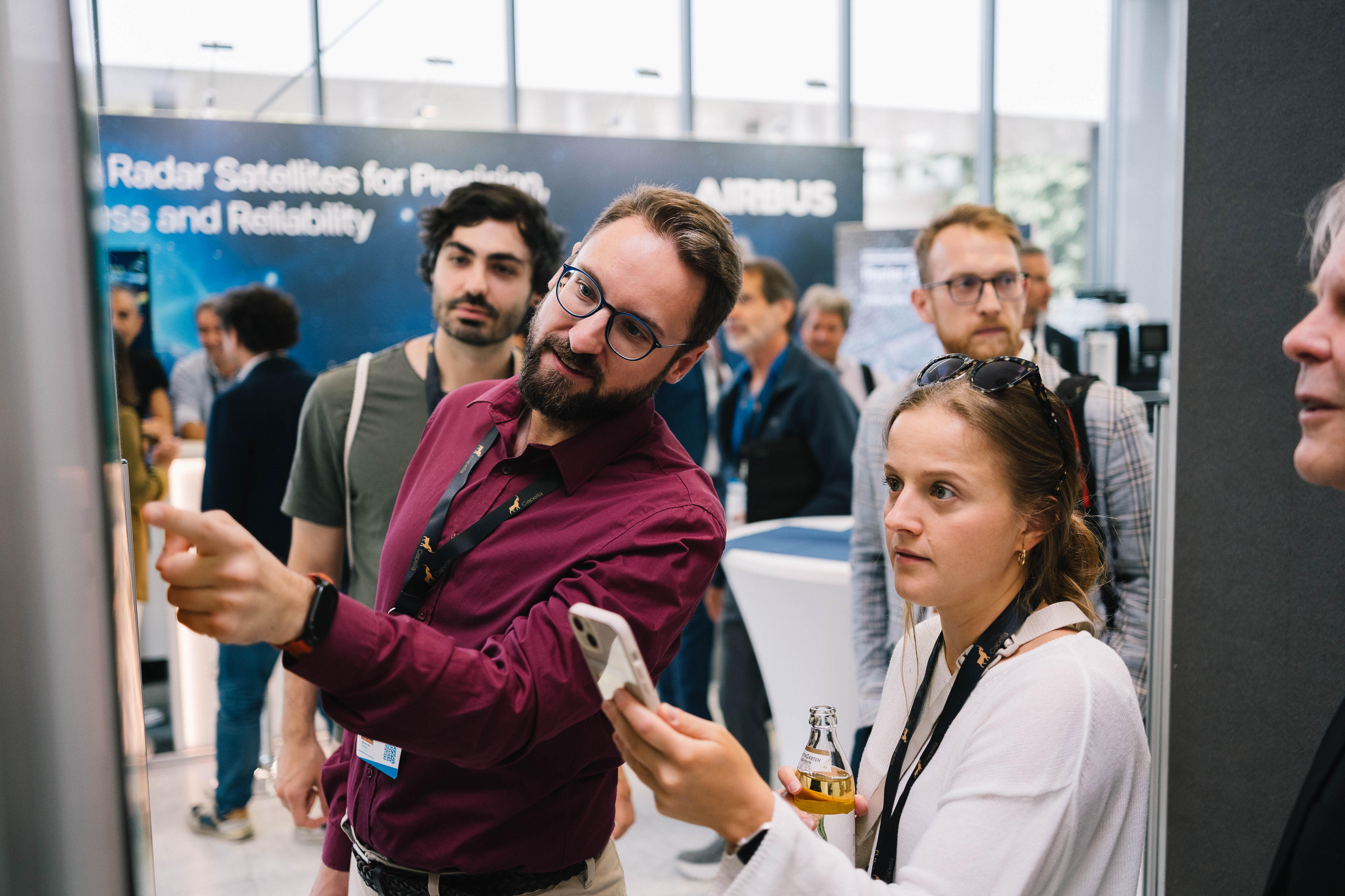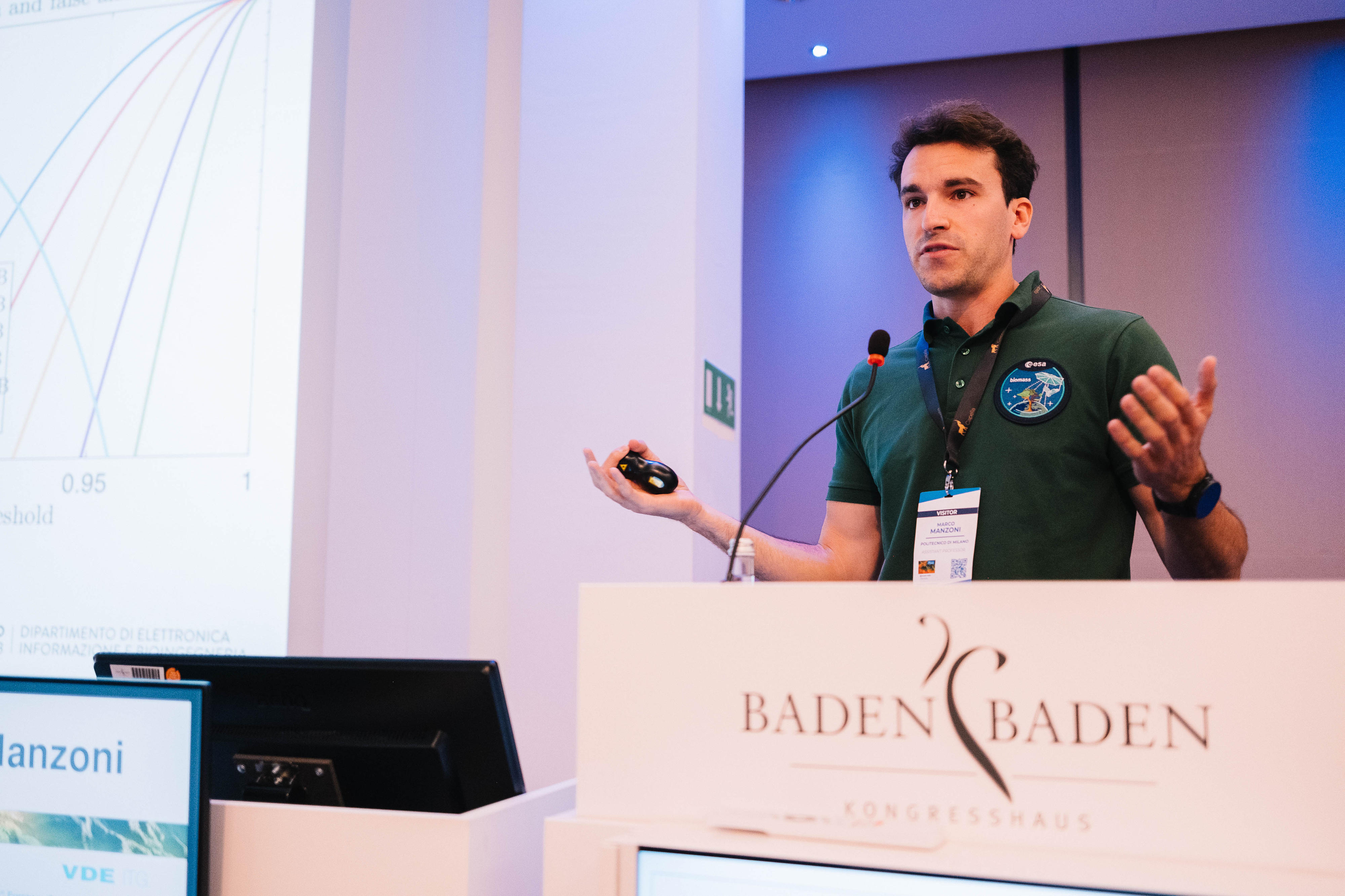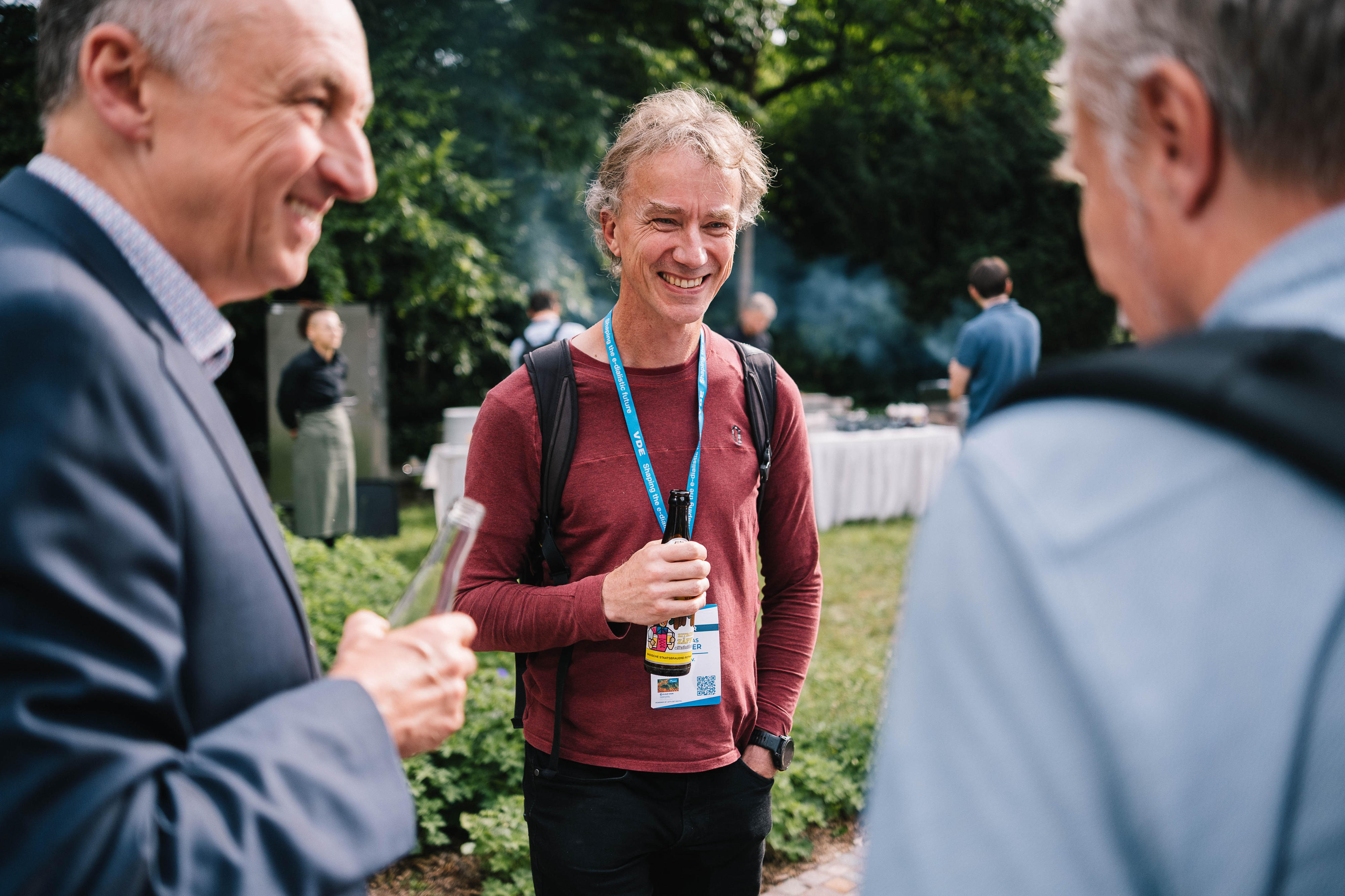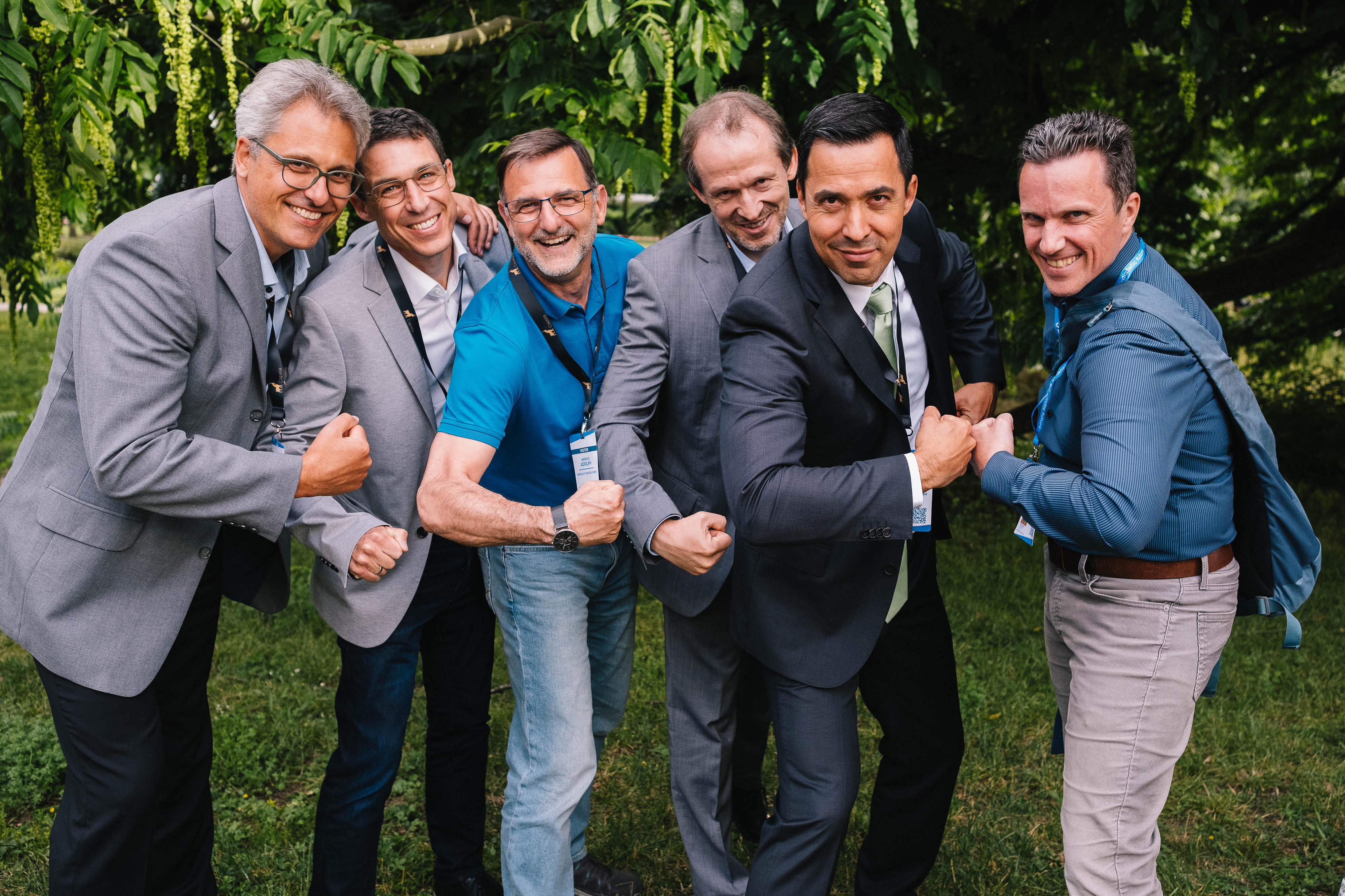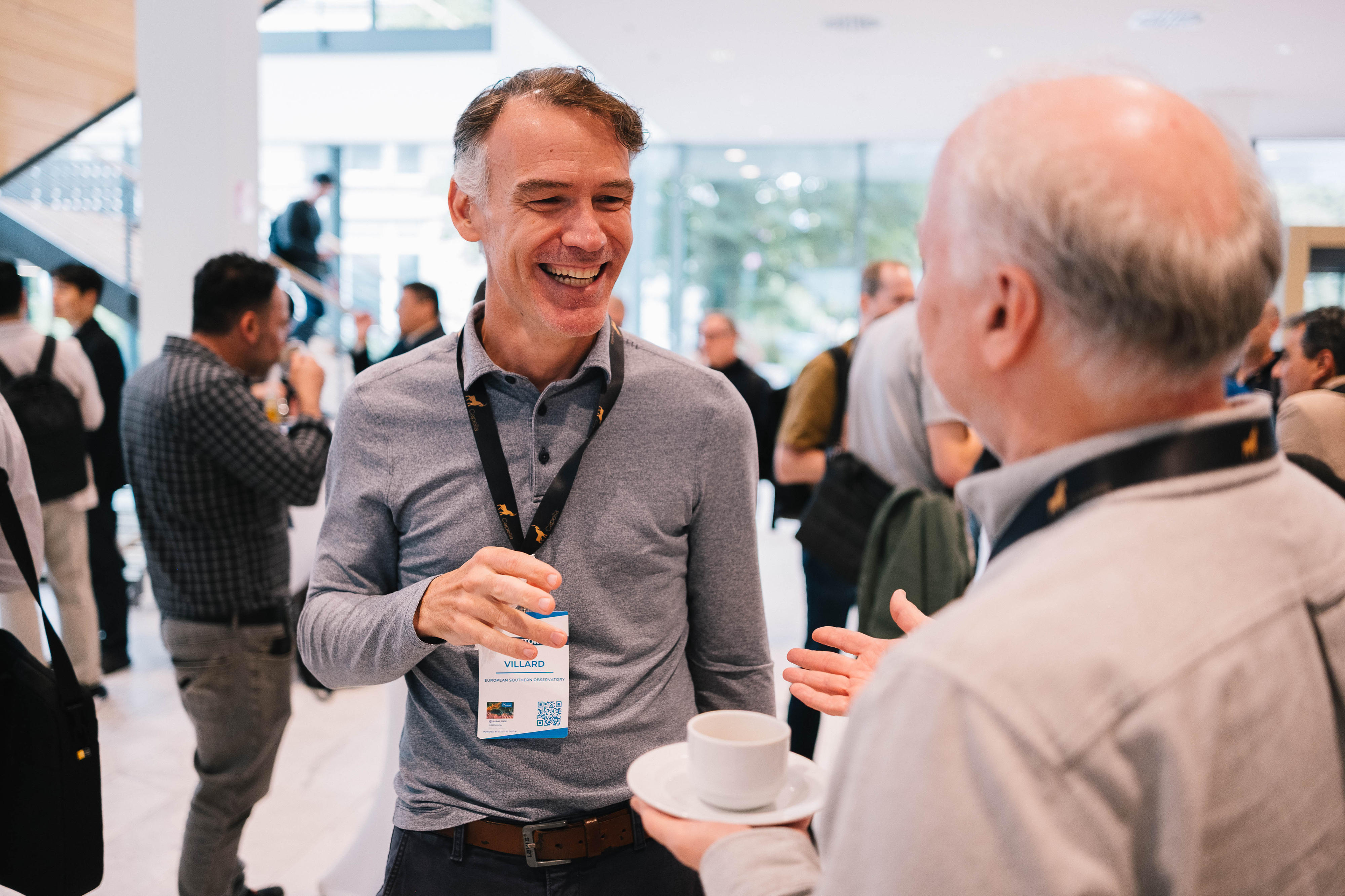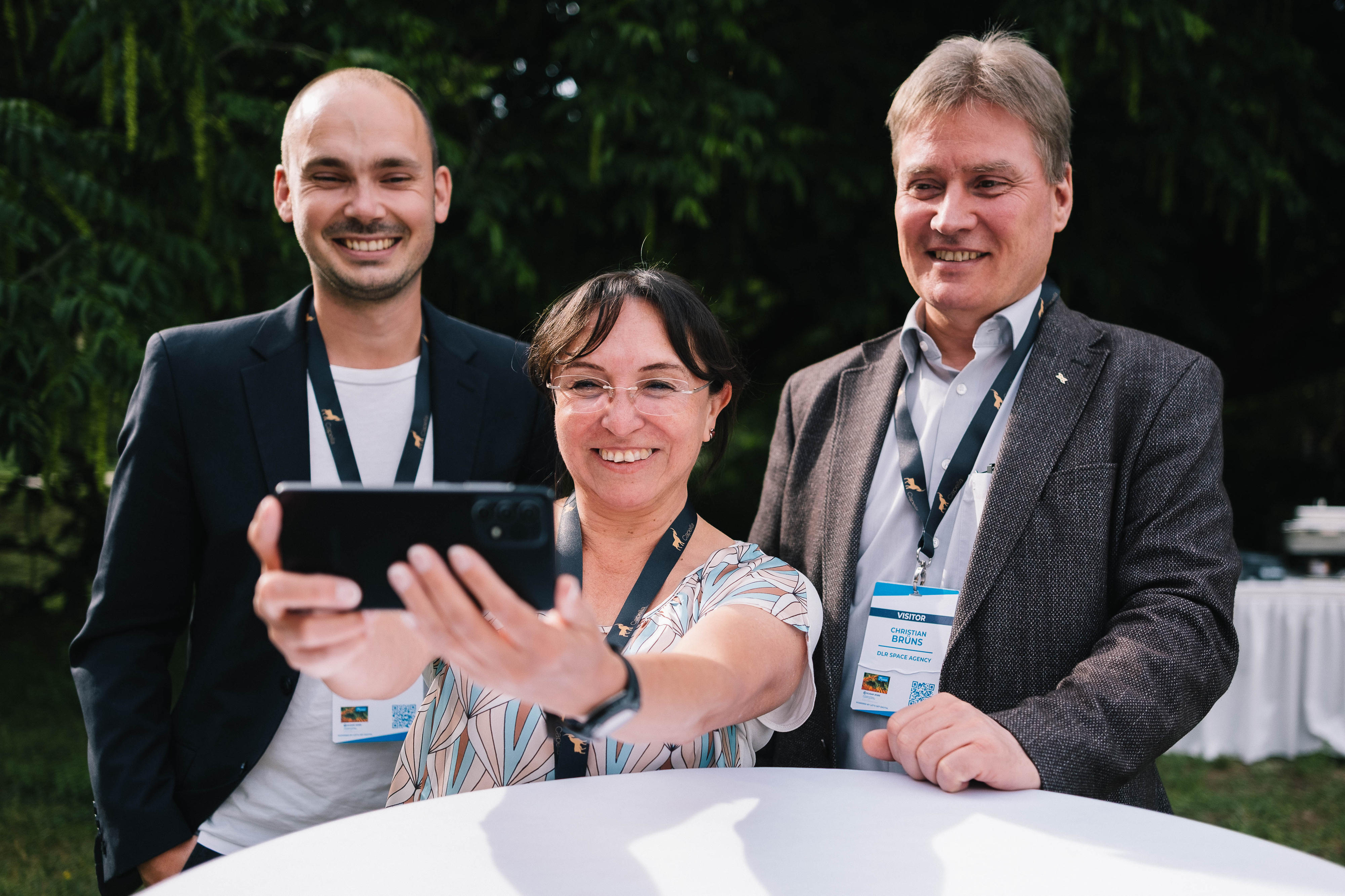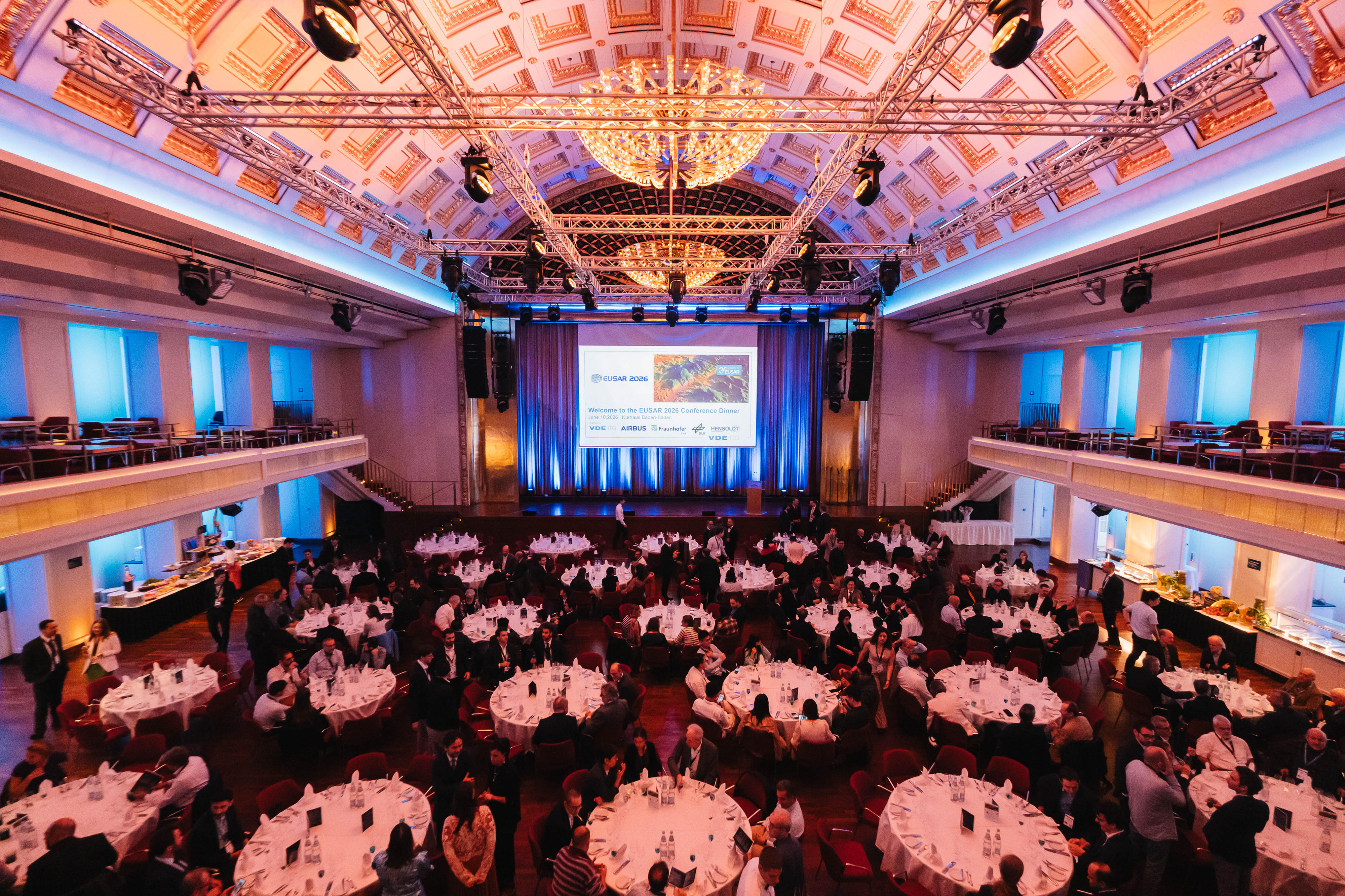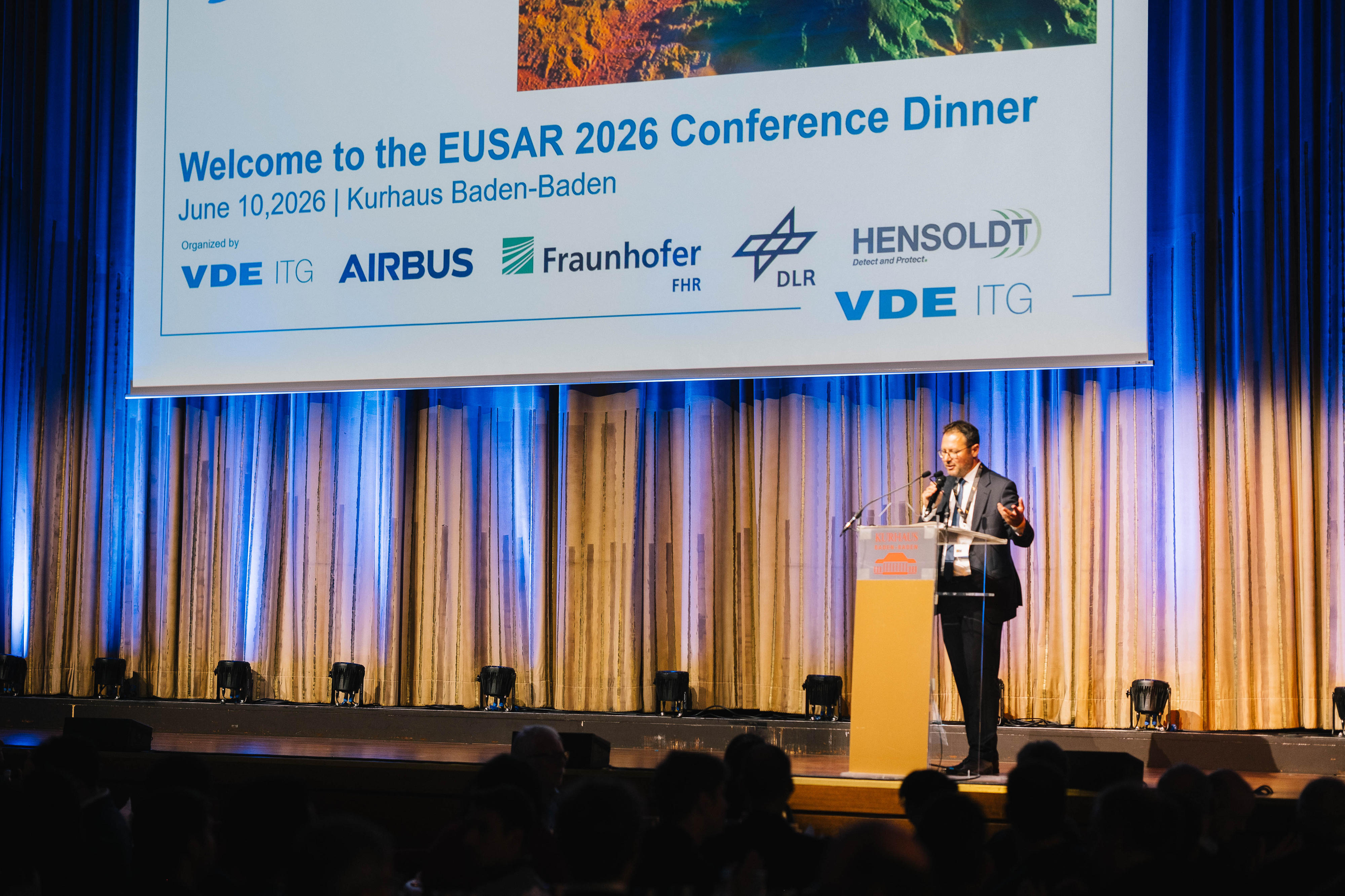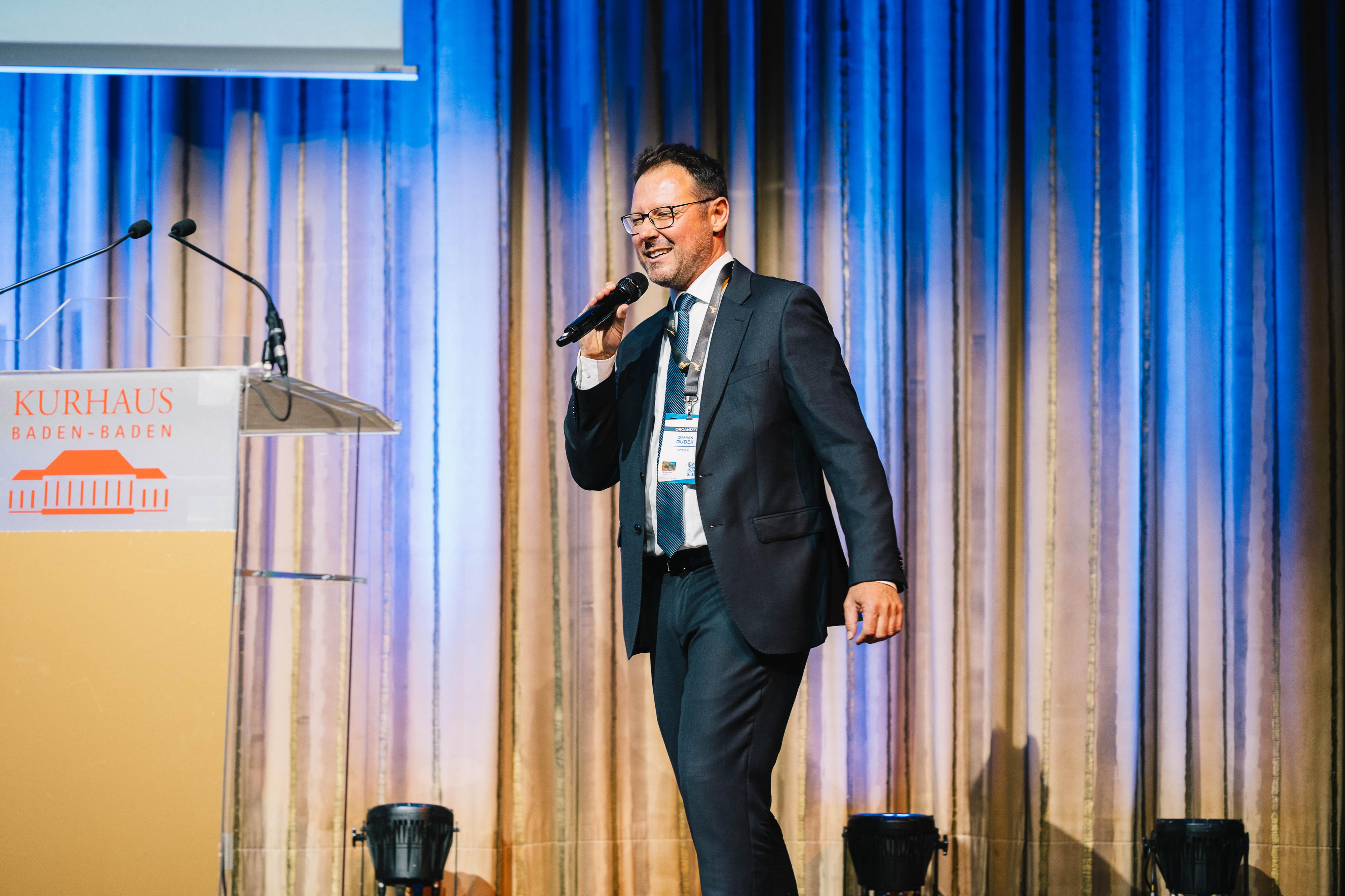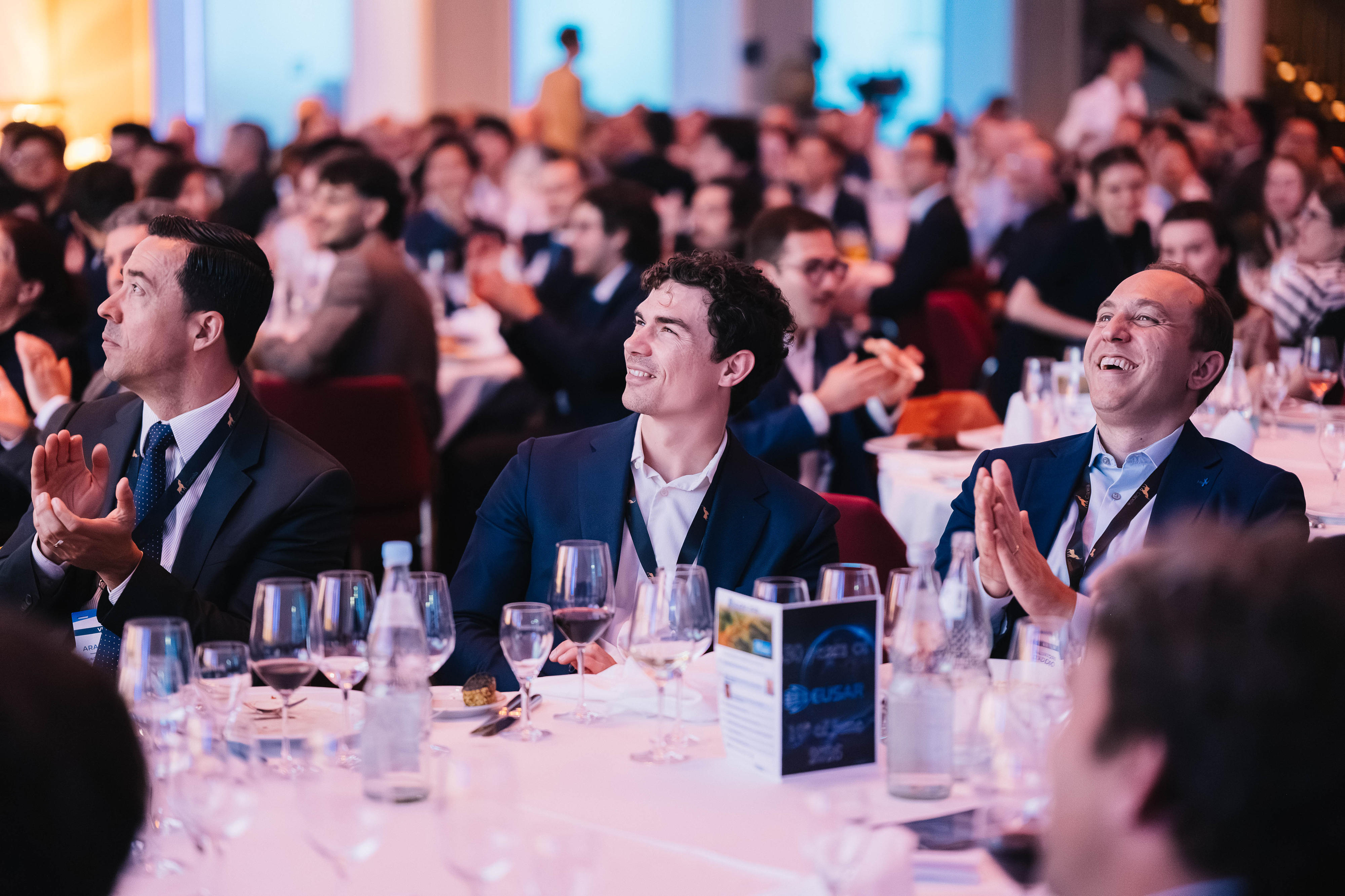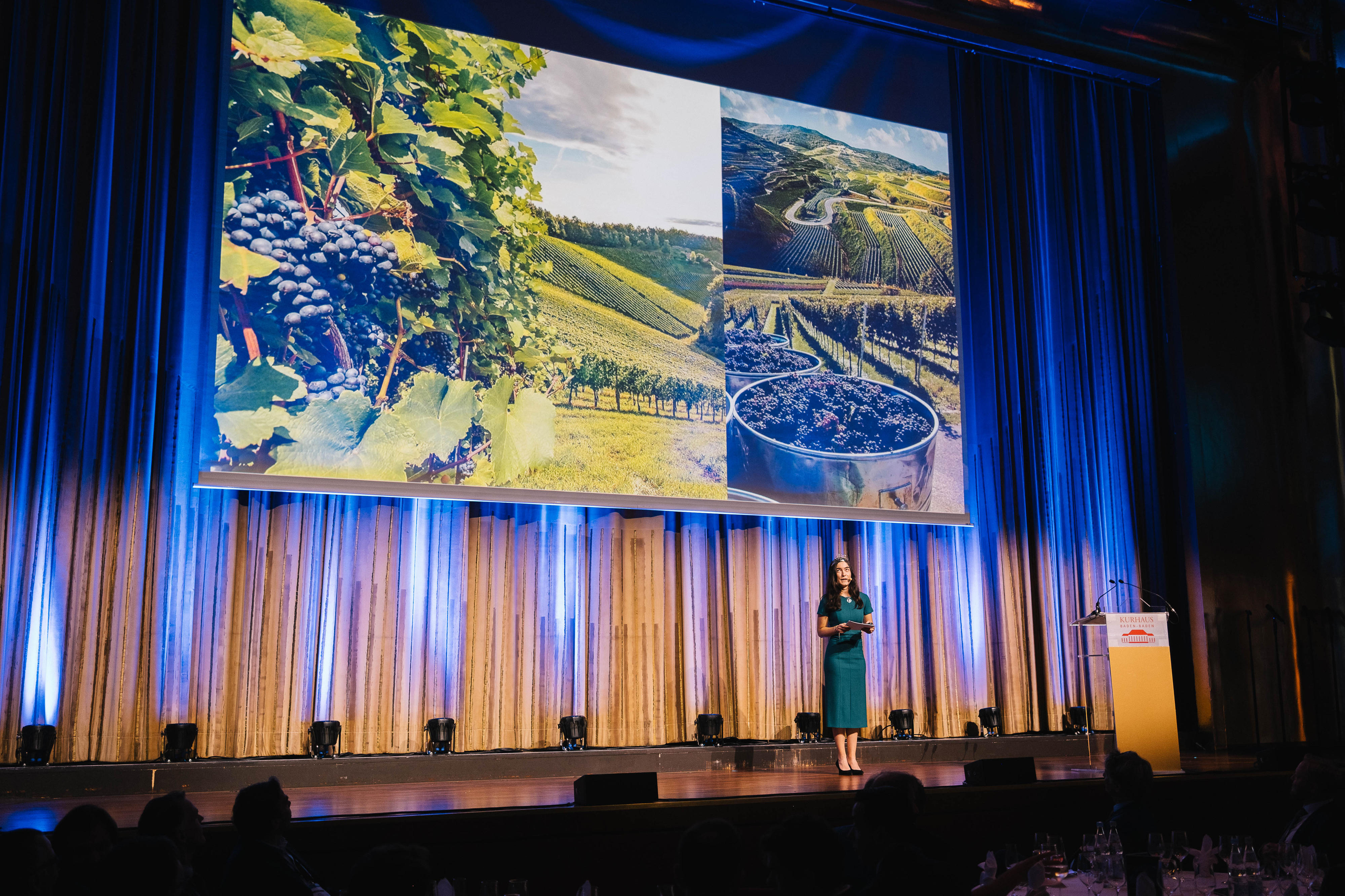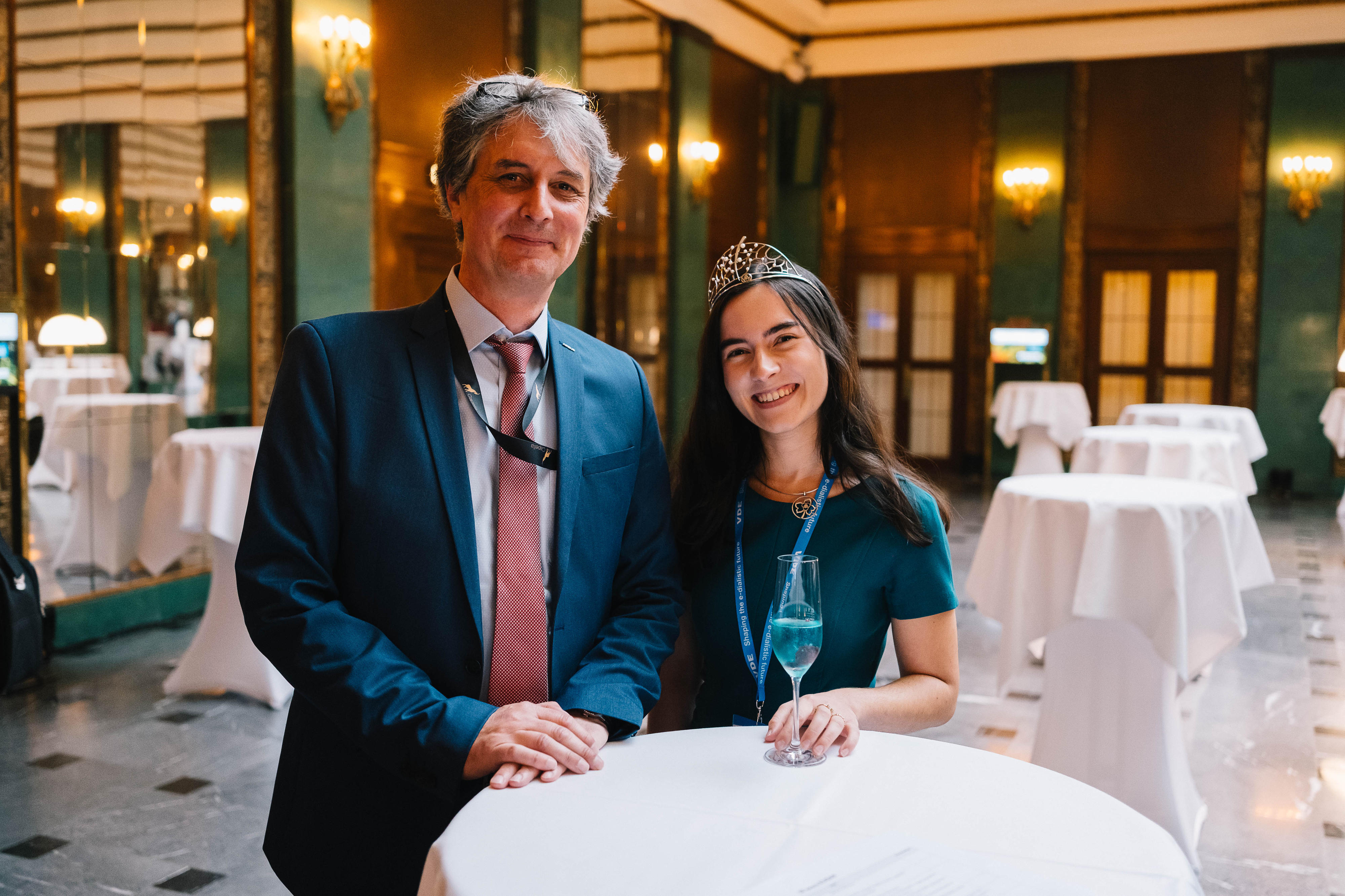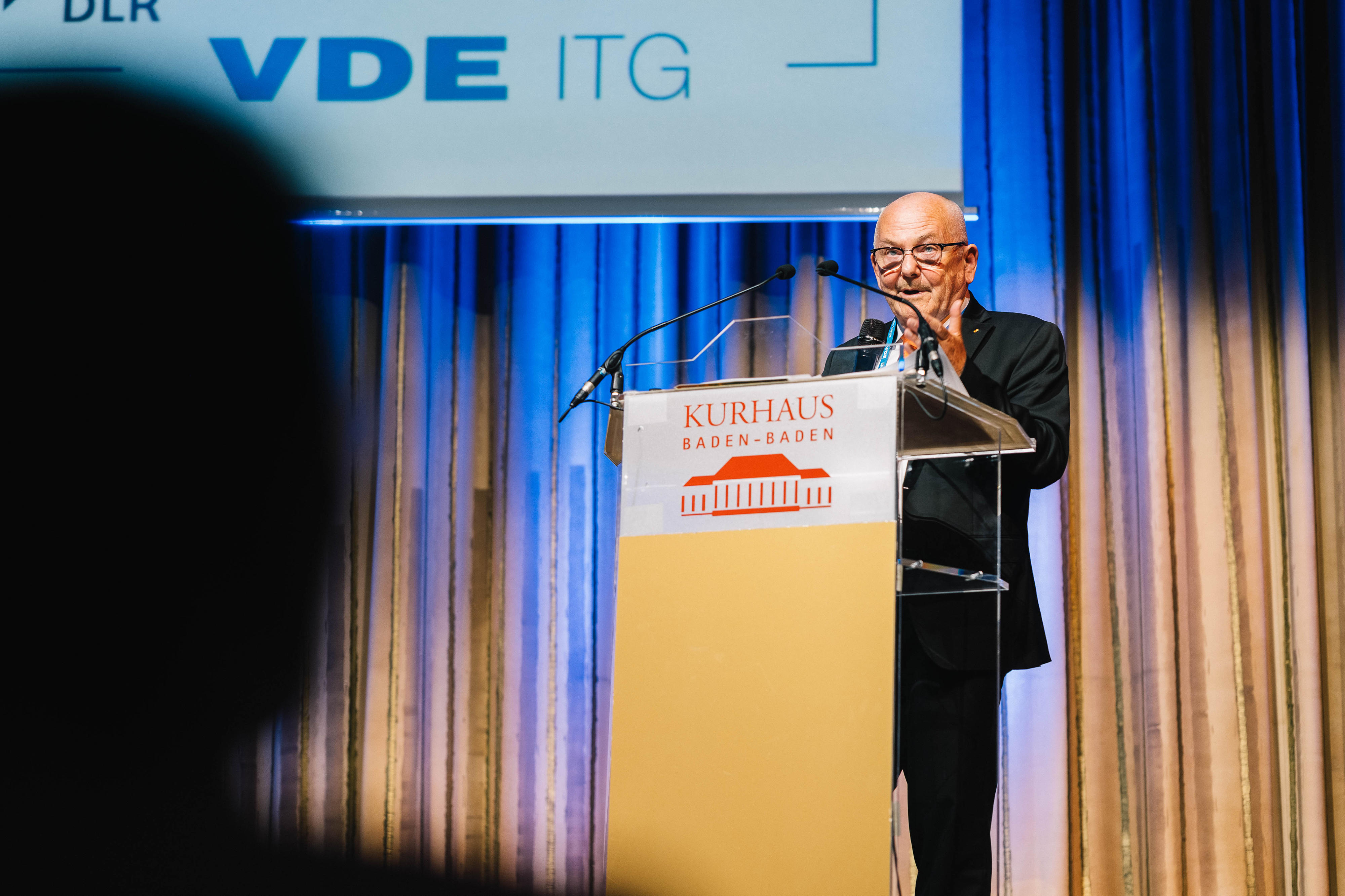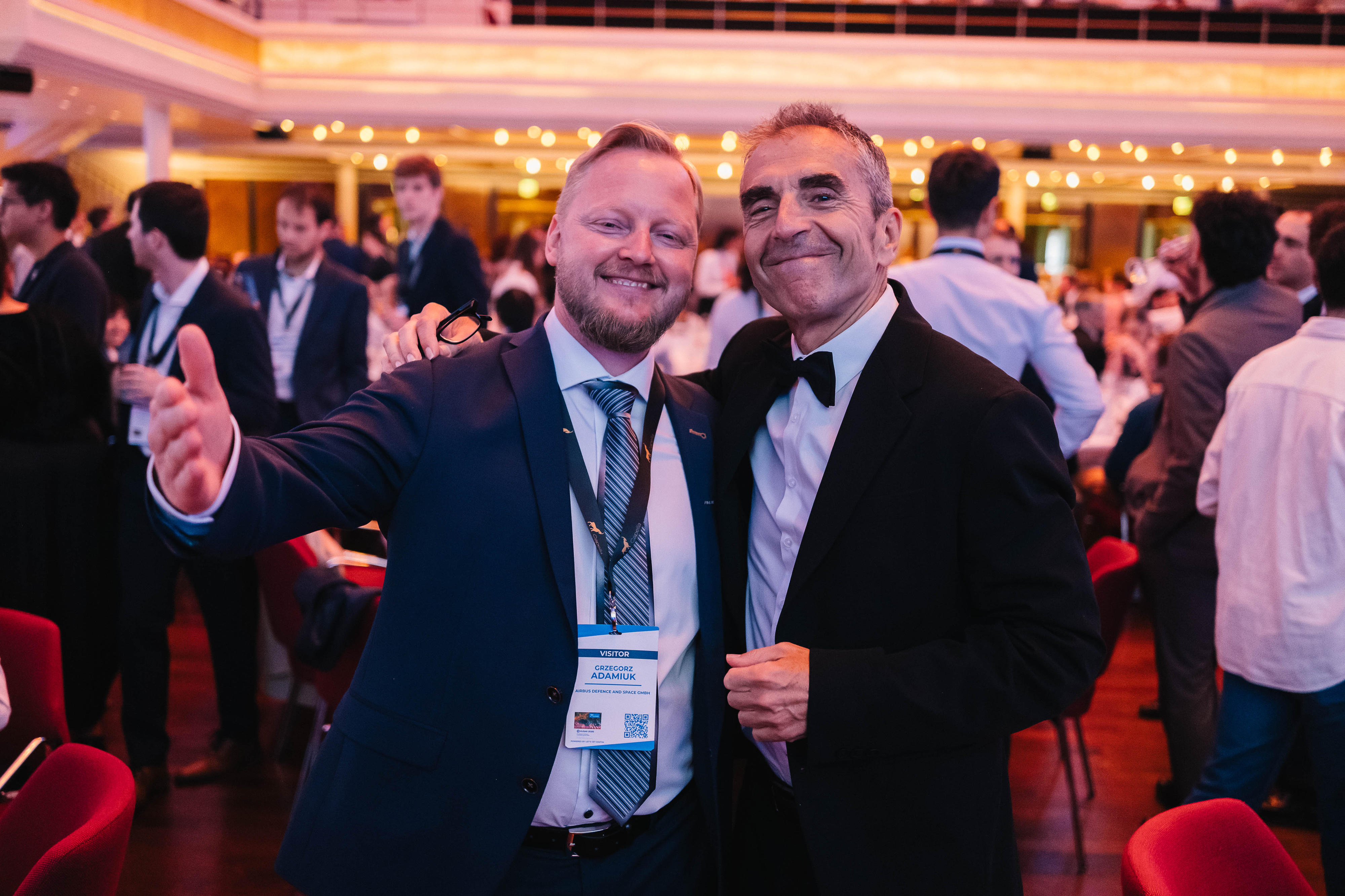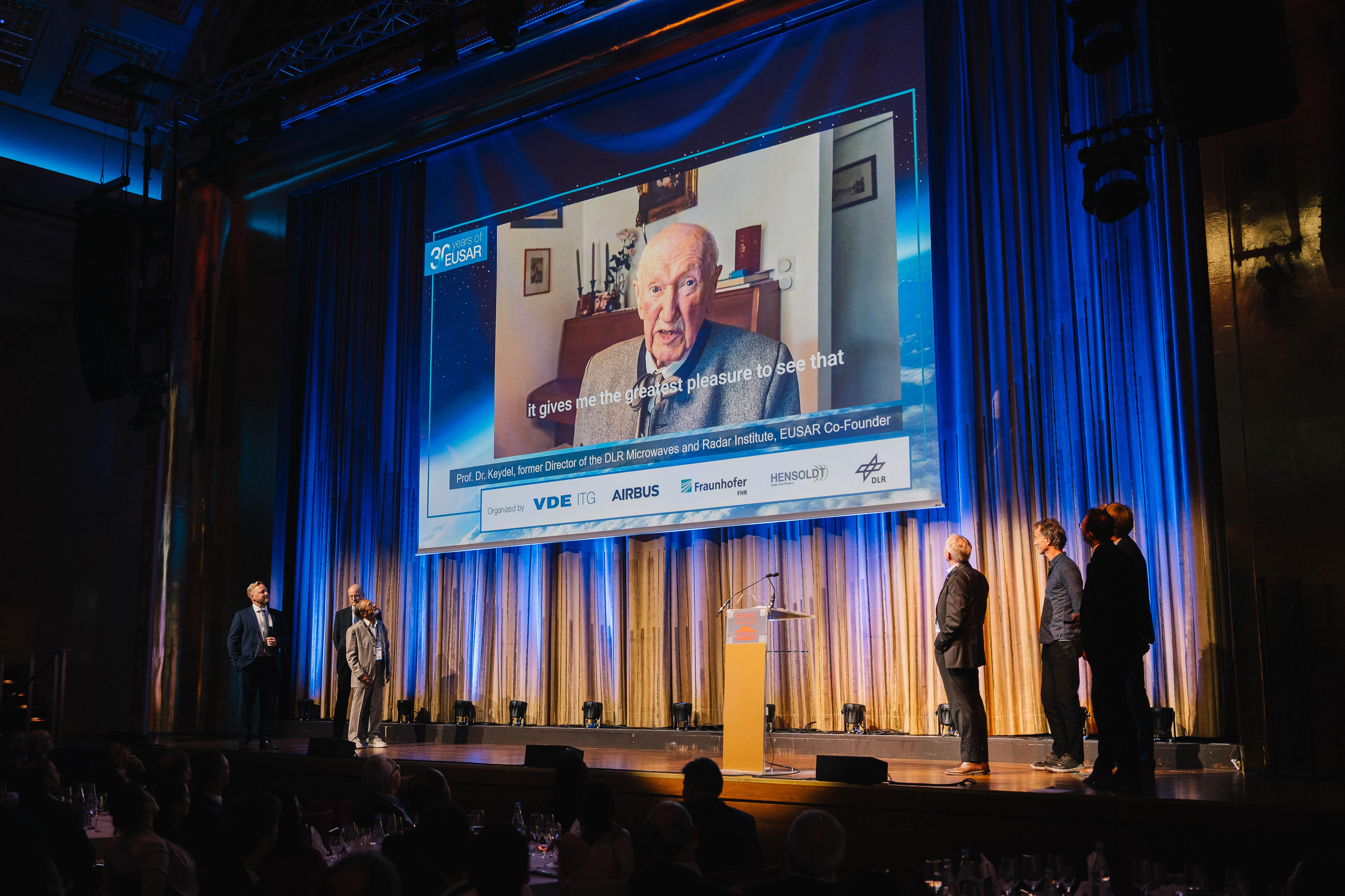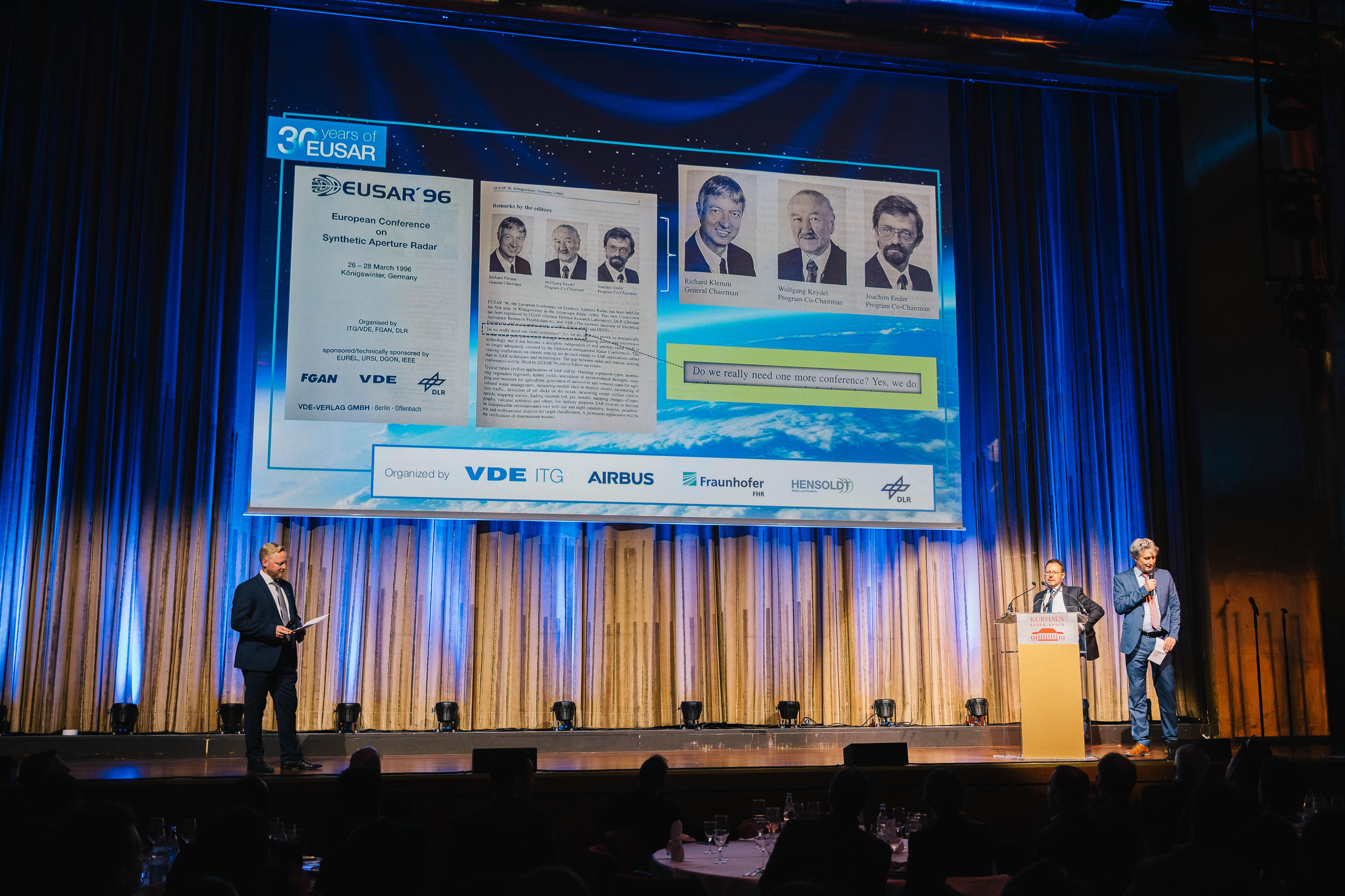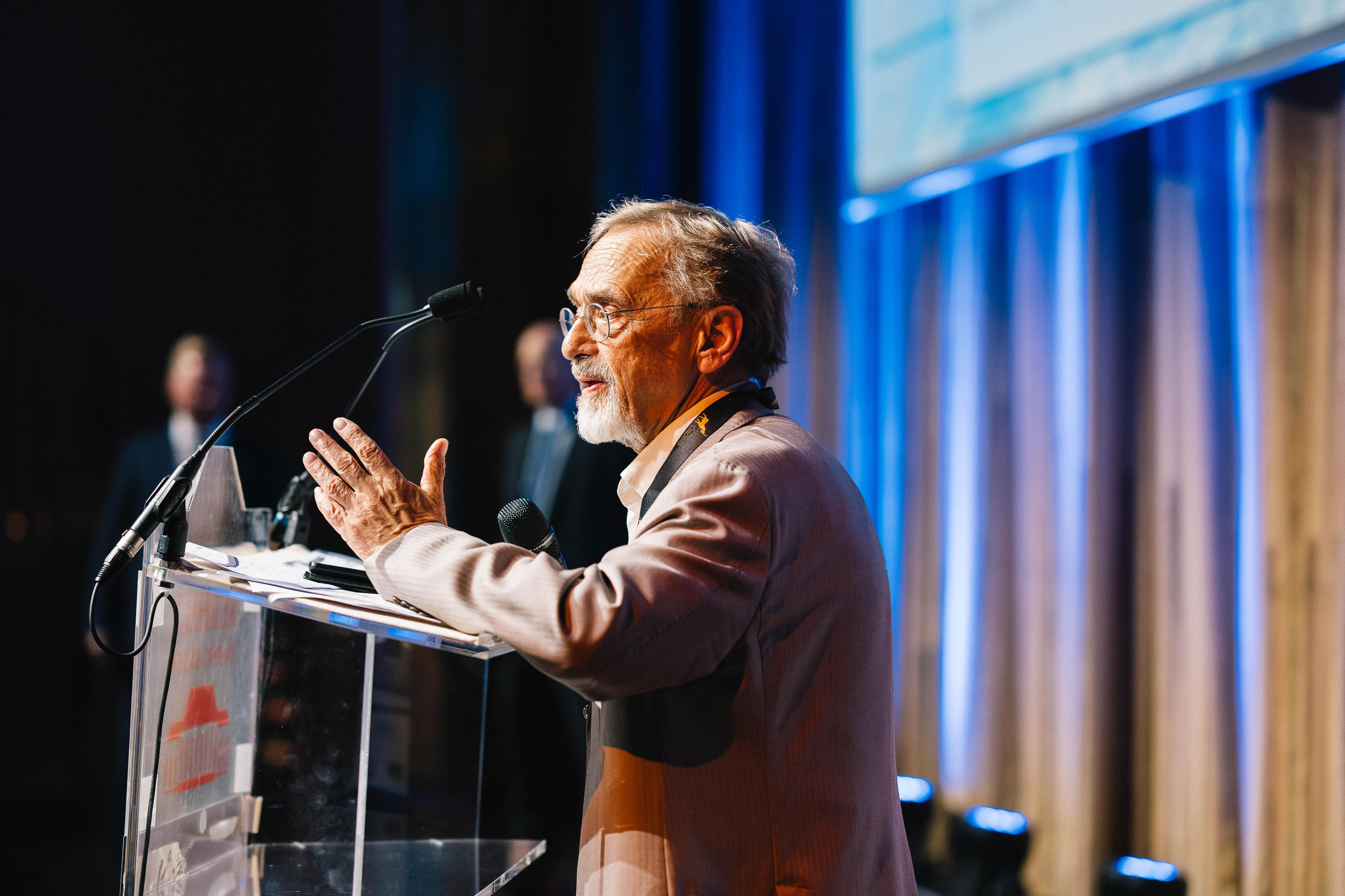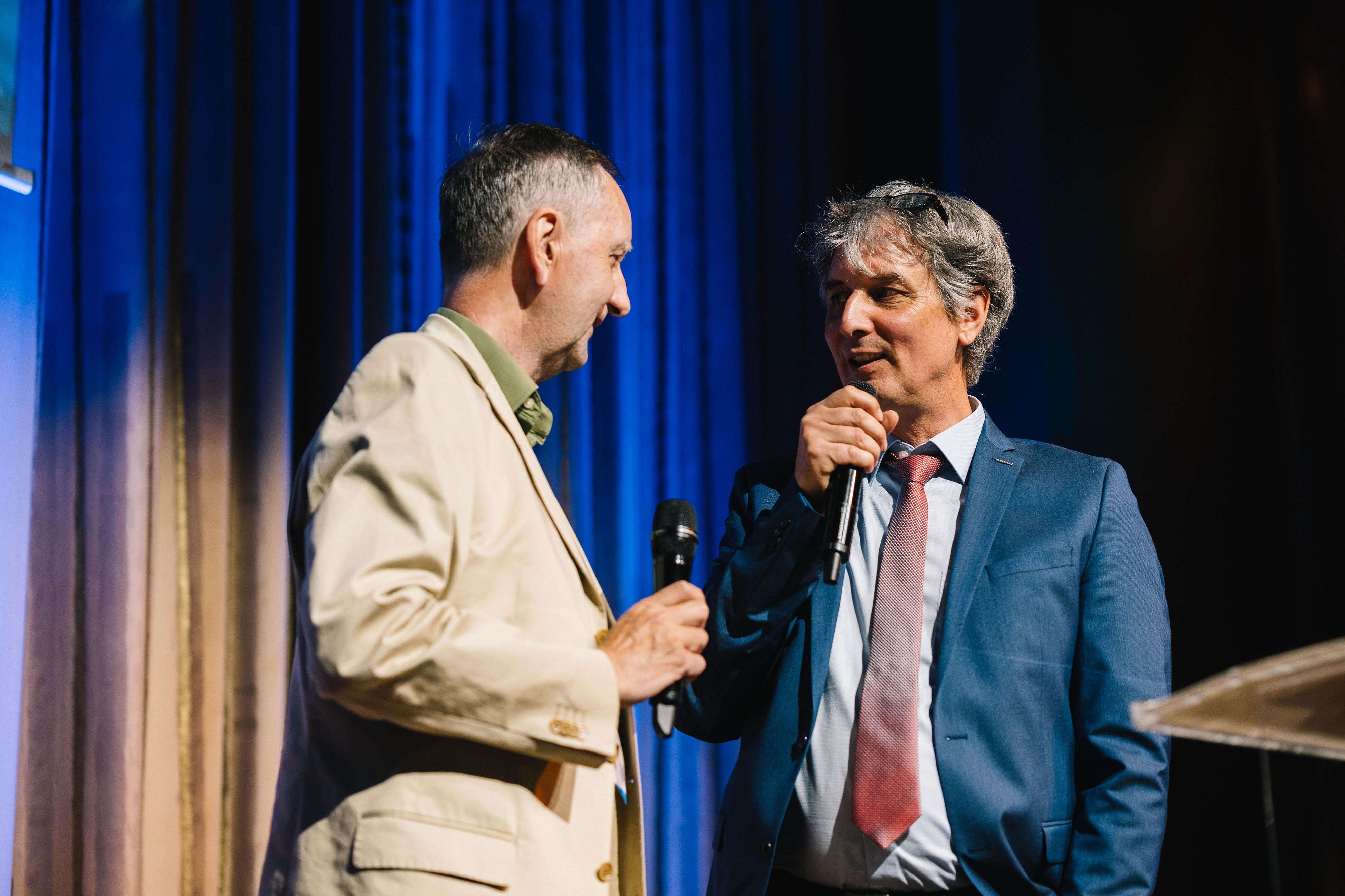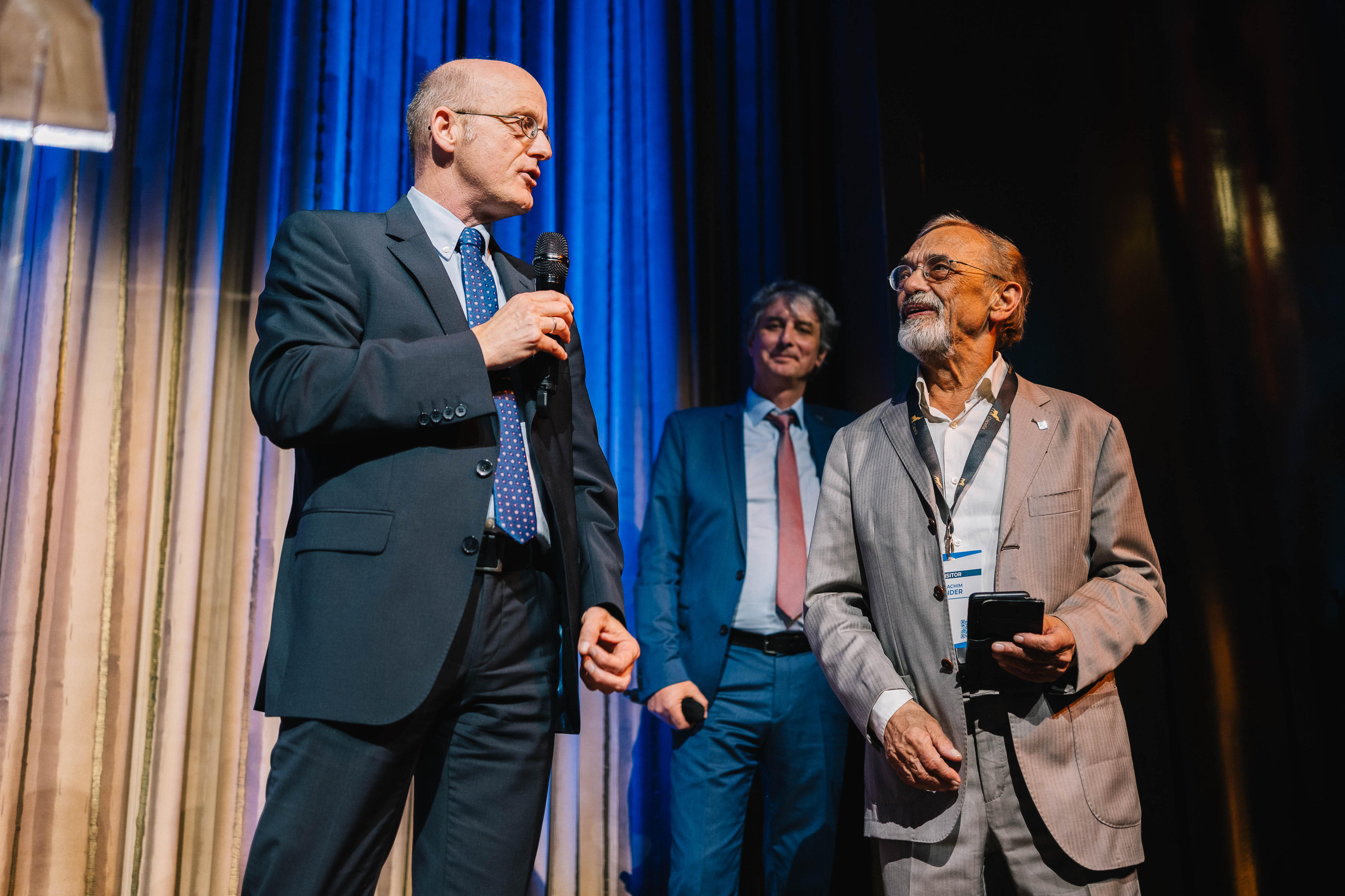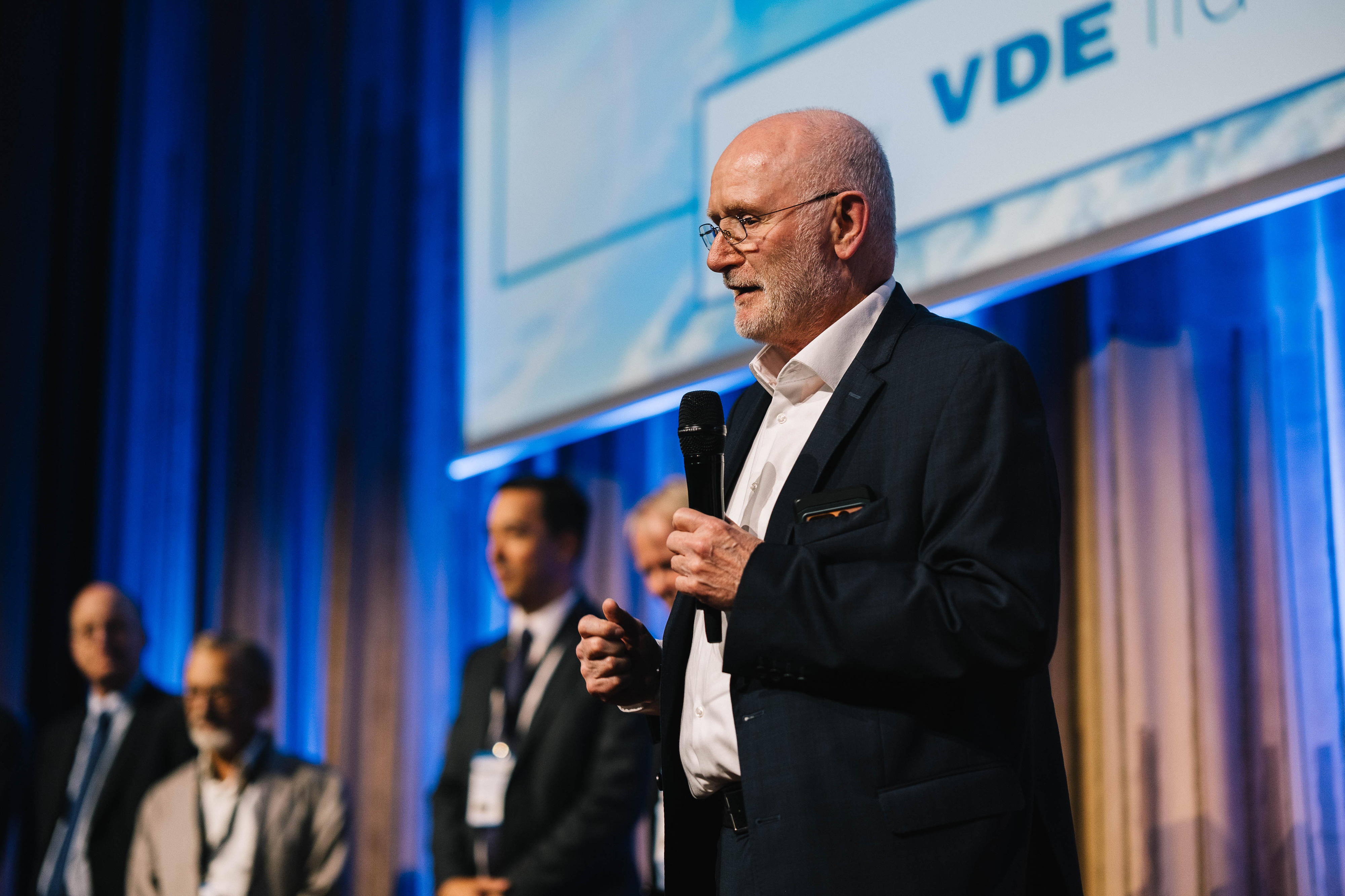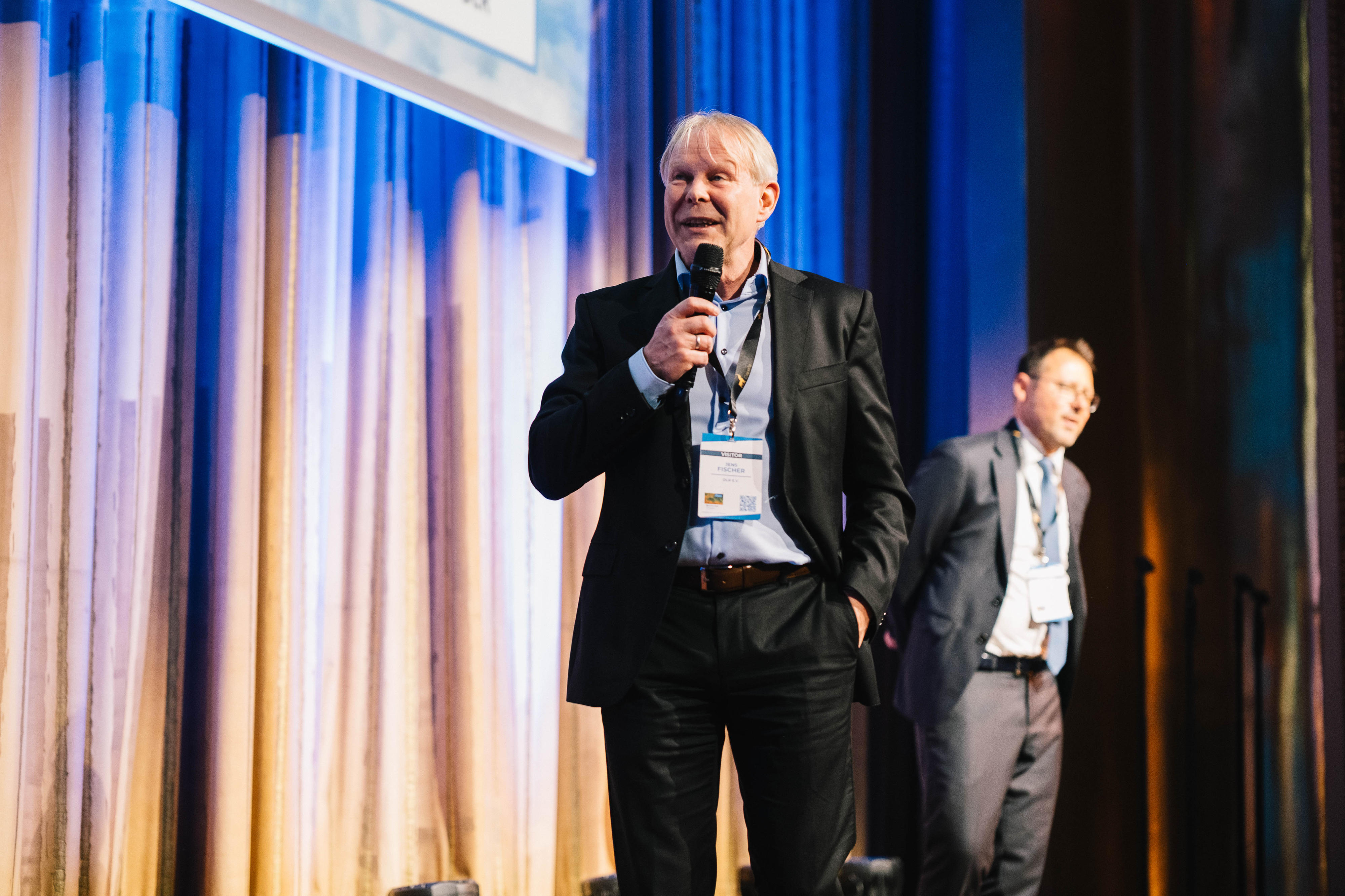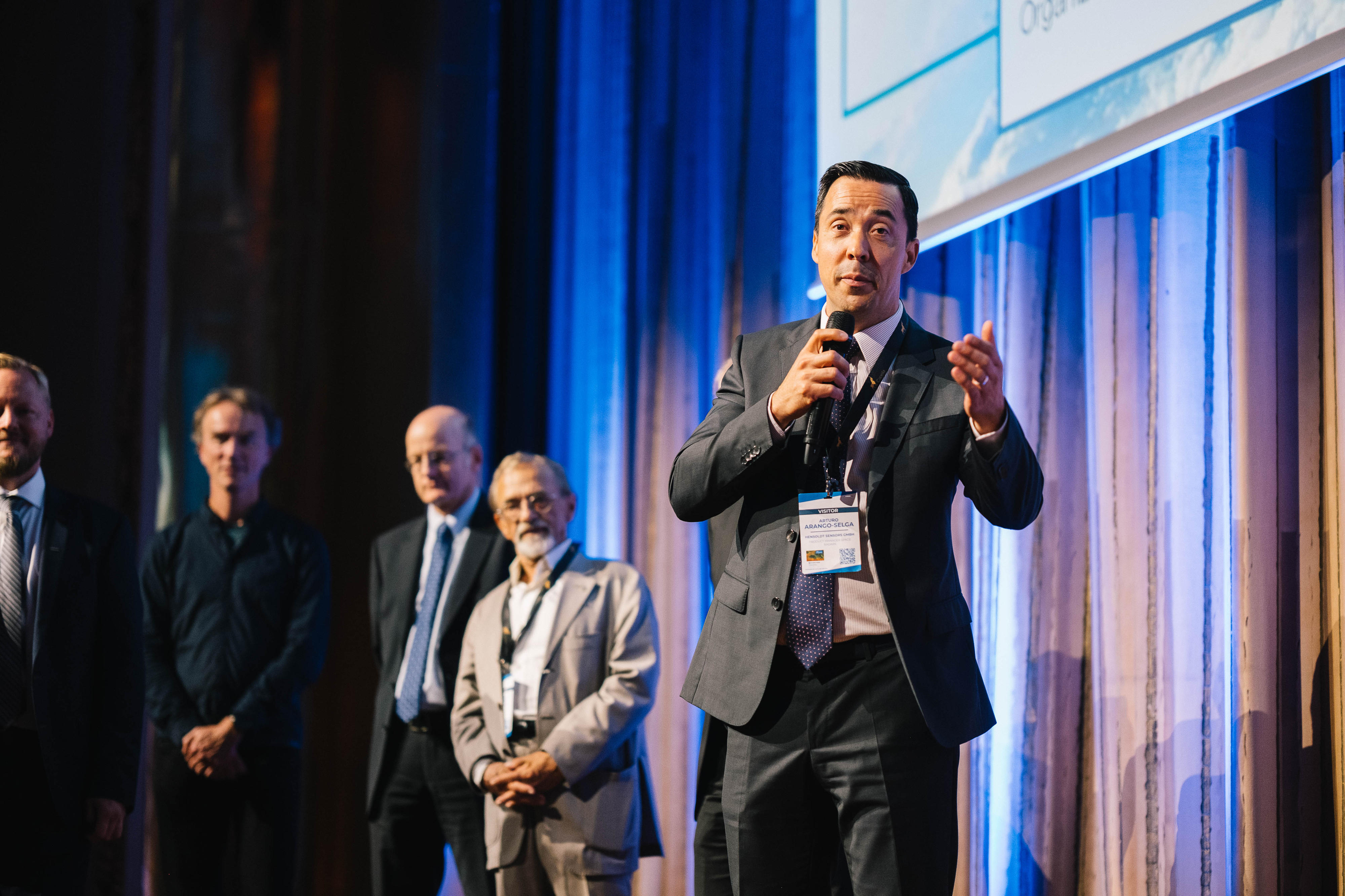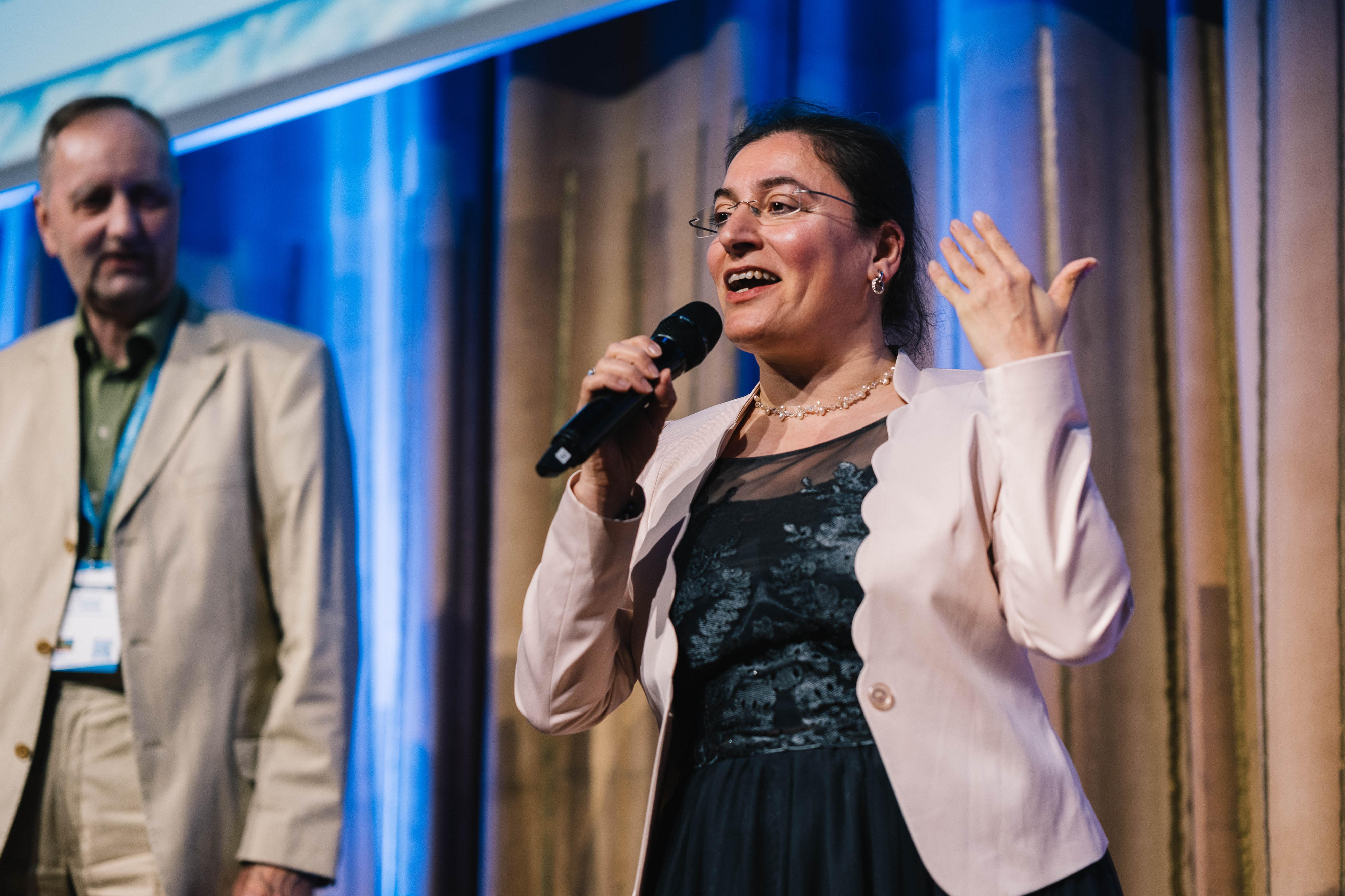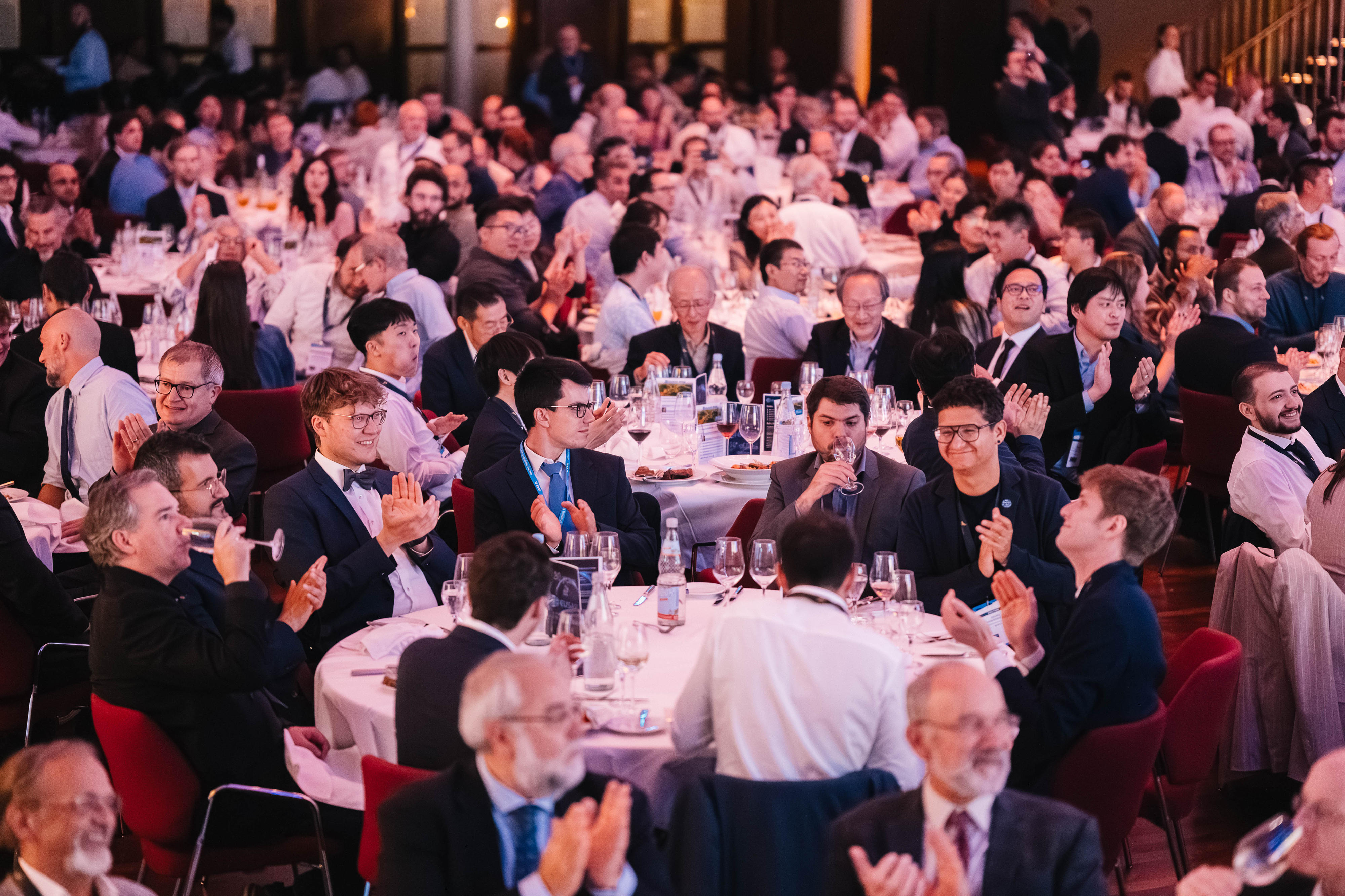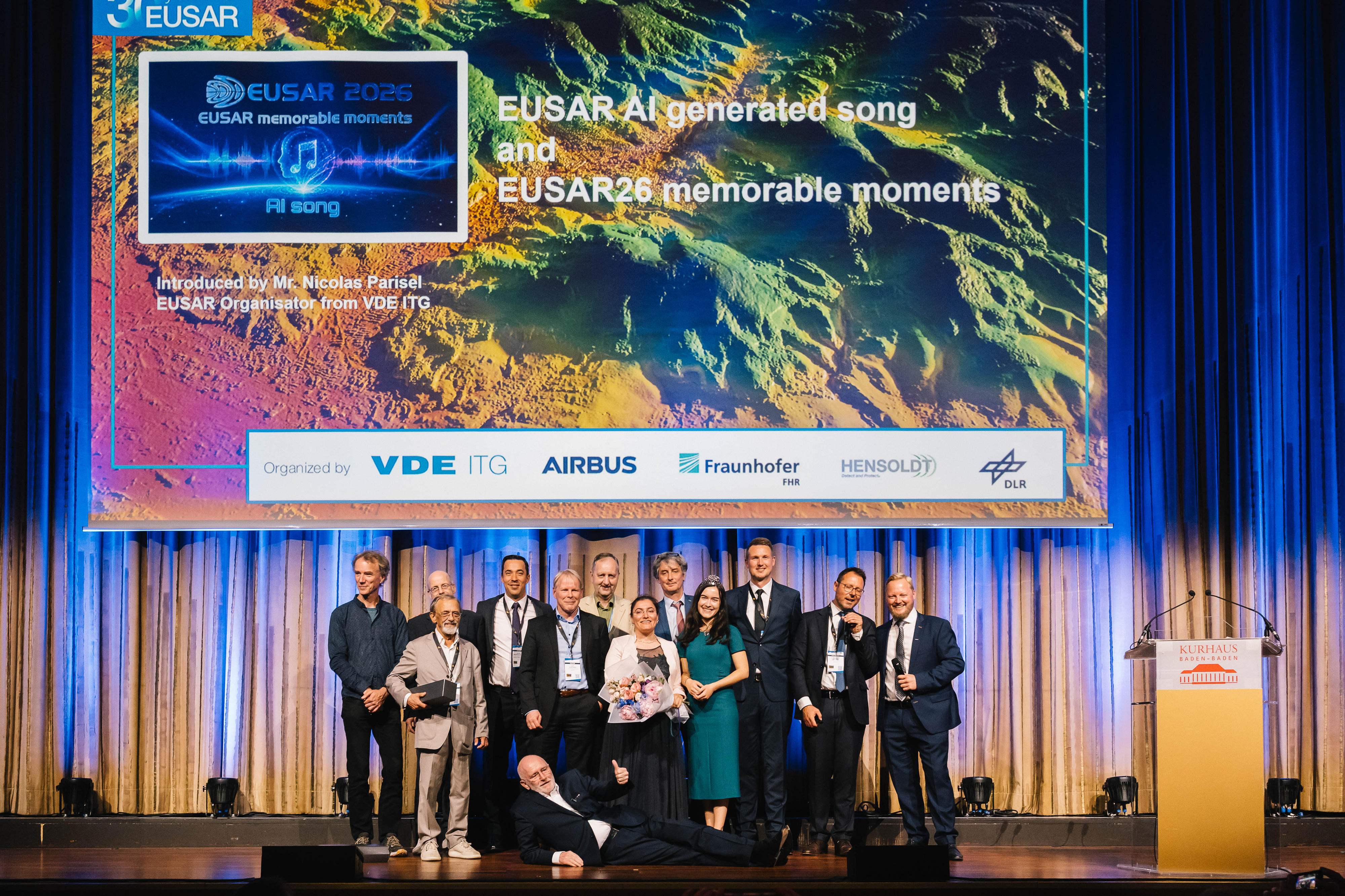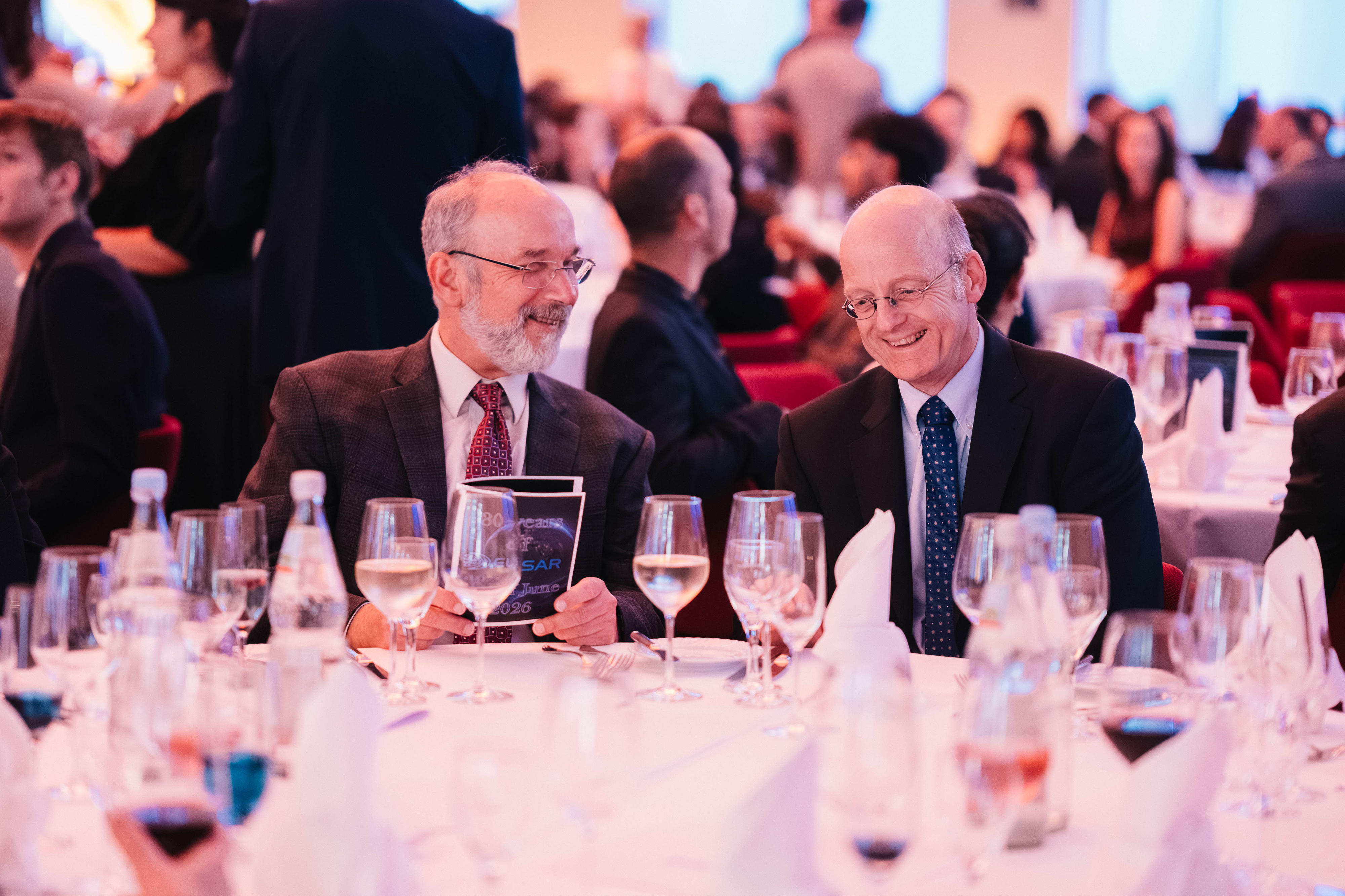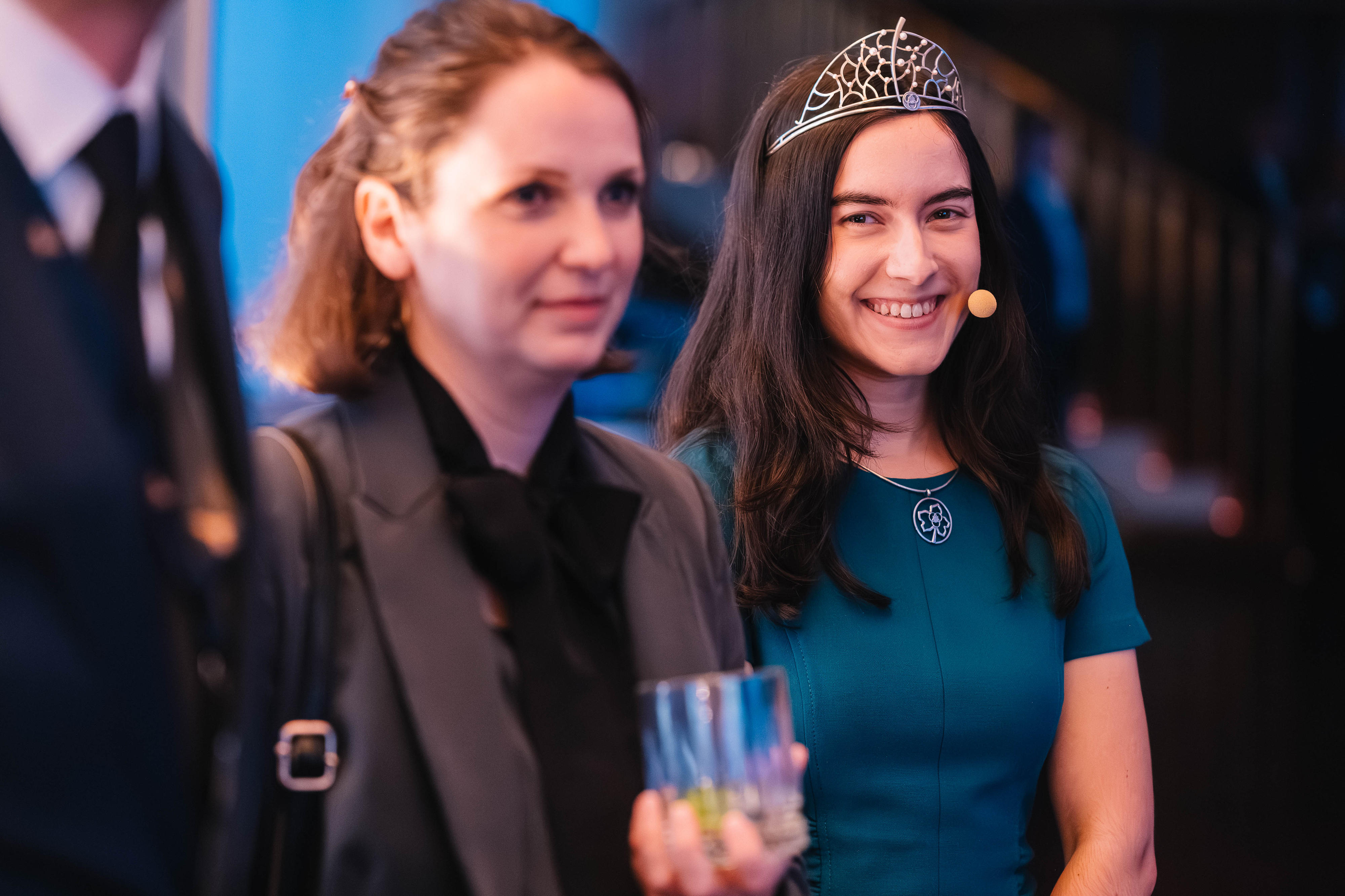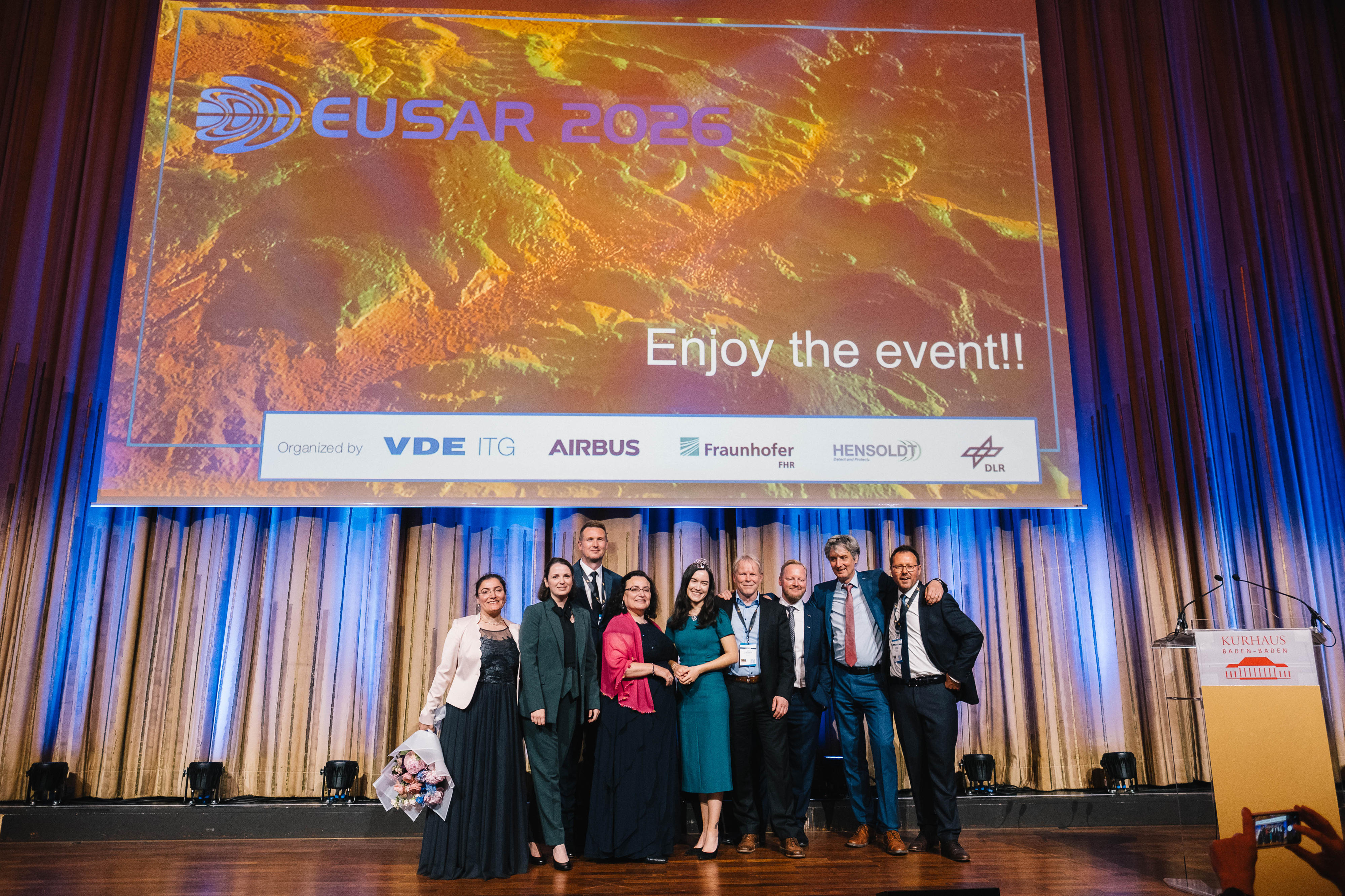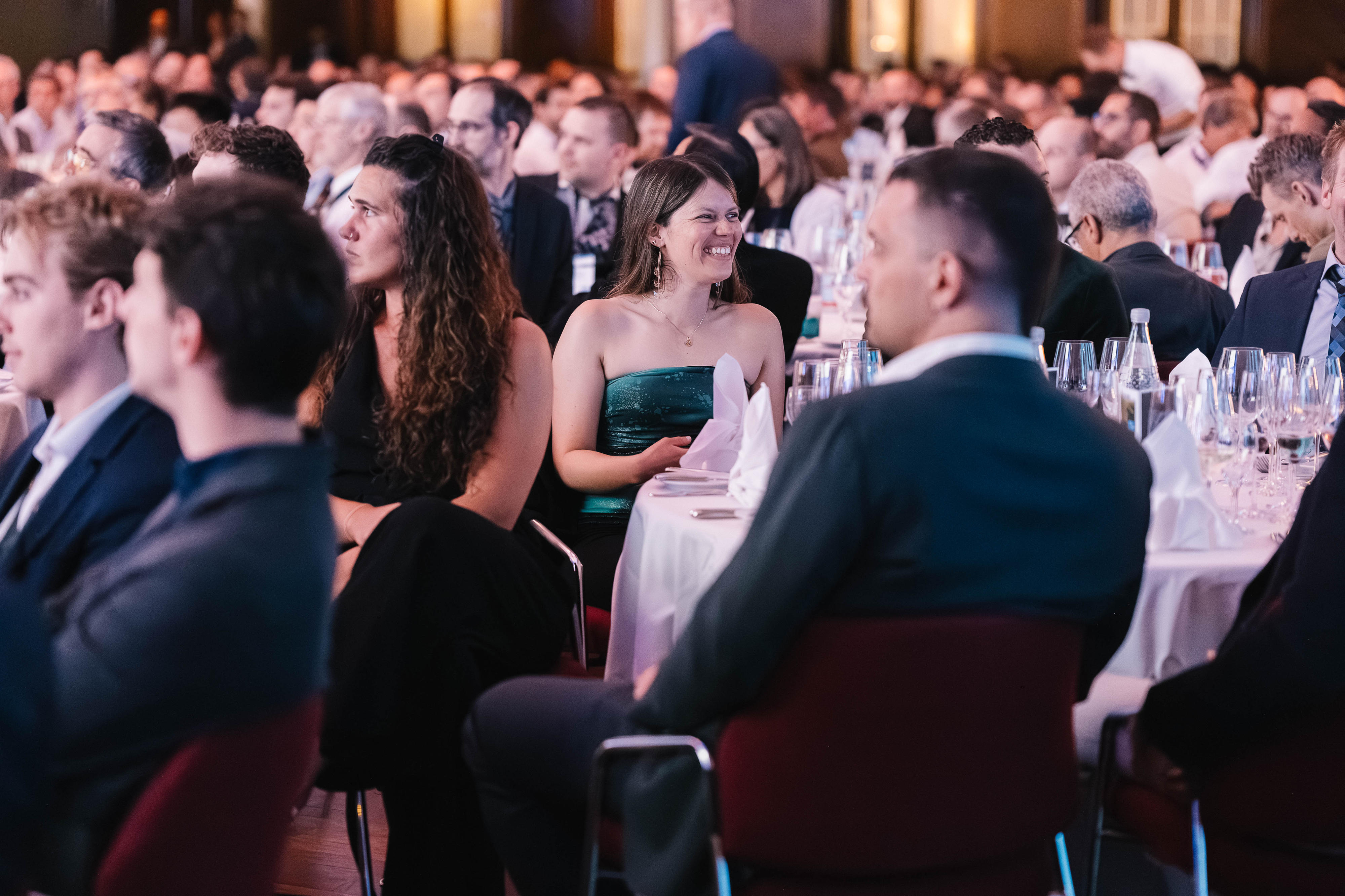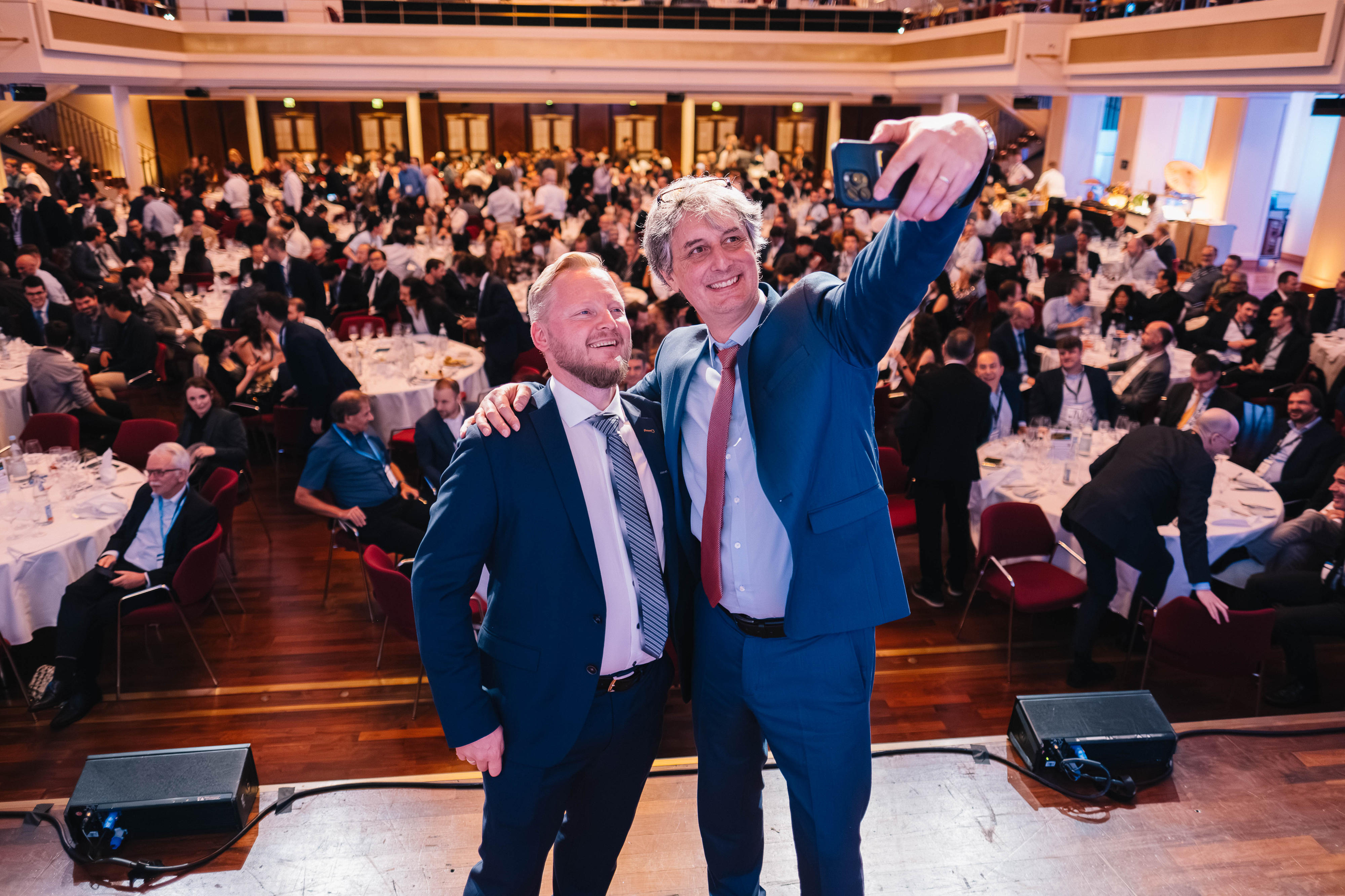


On behalf of the EUSAR Organising Committee, it was a great pleasure to host all participants of the 30-year anniversary edition of the EUSAR conference in Baden-Baden. We enjoyed an event with over 600 participants, which is a very strong sign from the worldwide SAR community highlighting SAR as a key topic for current global challenges.
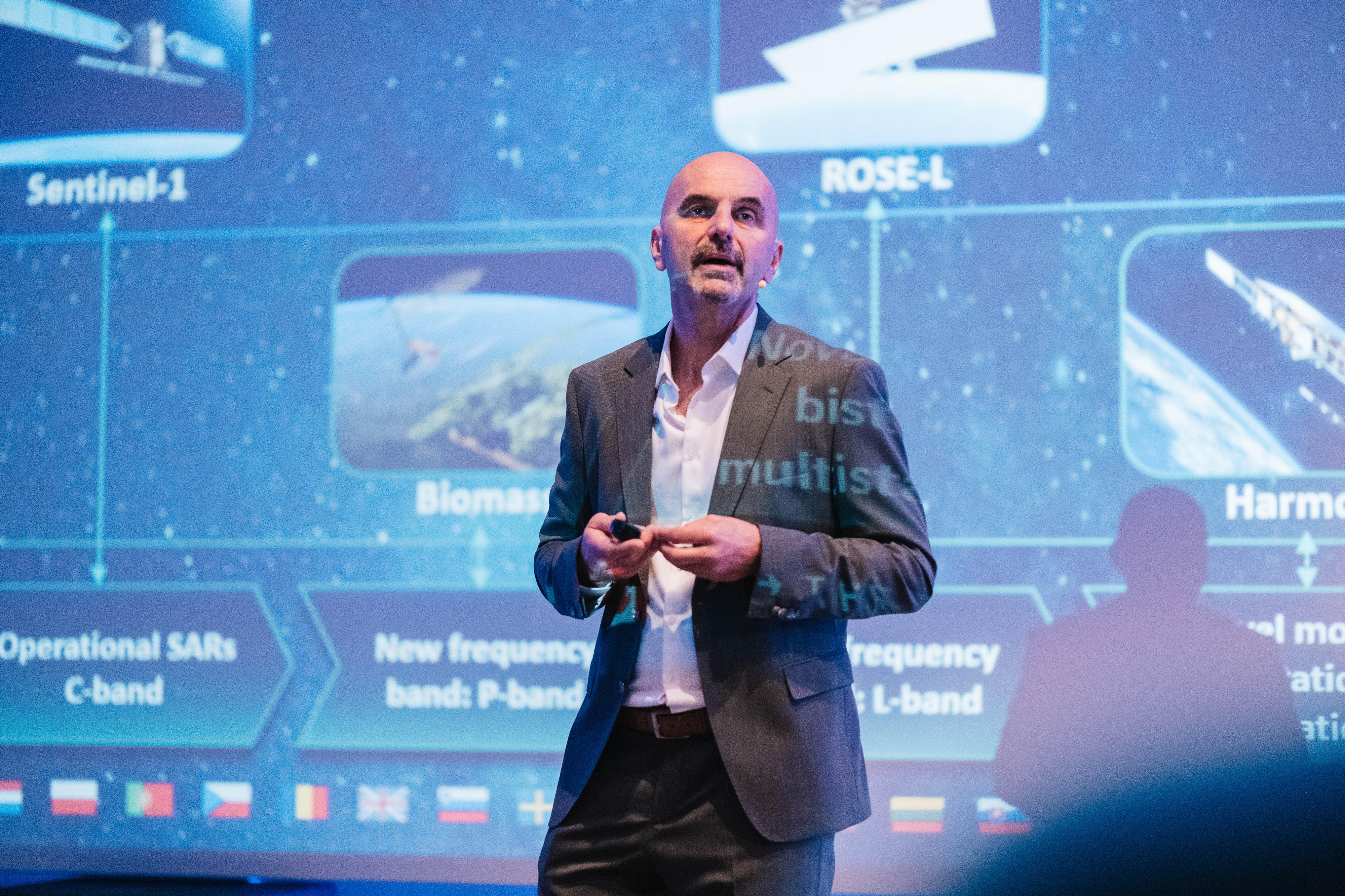
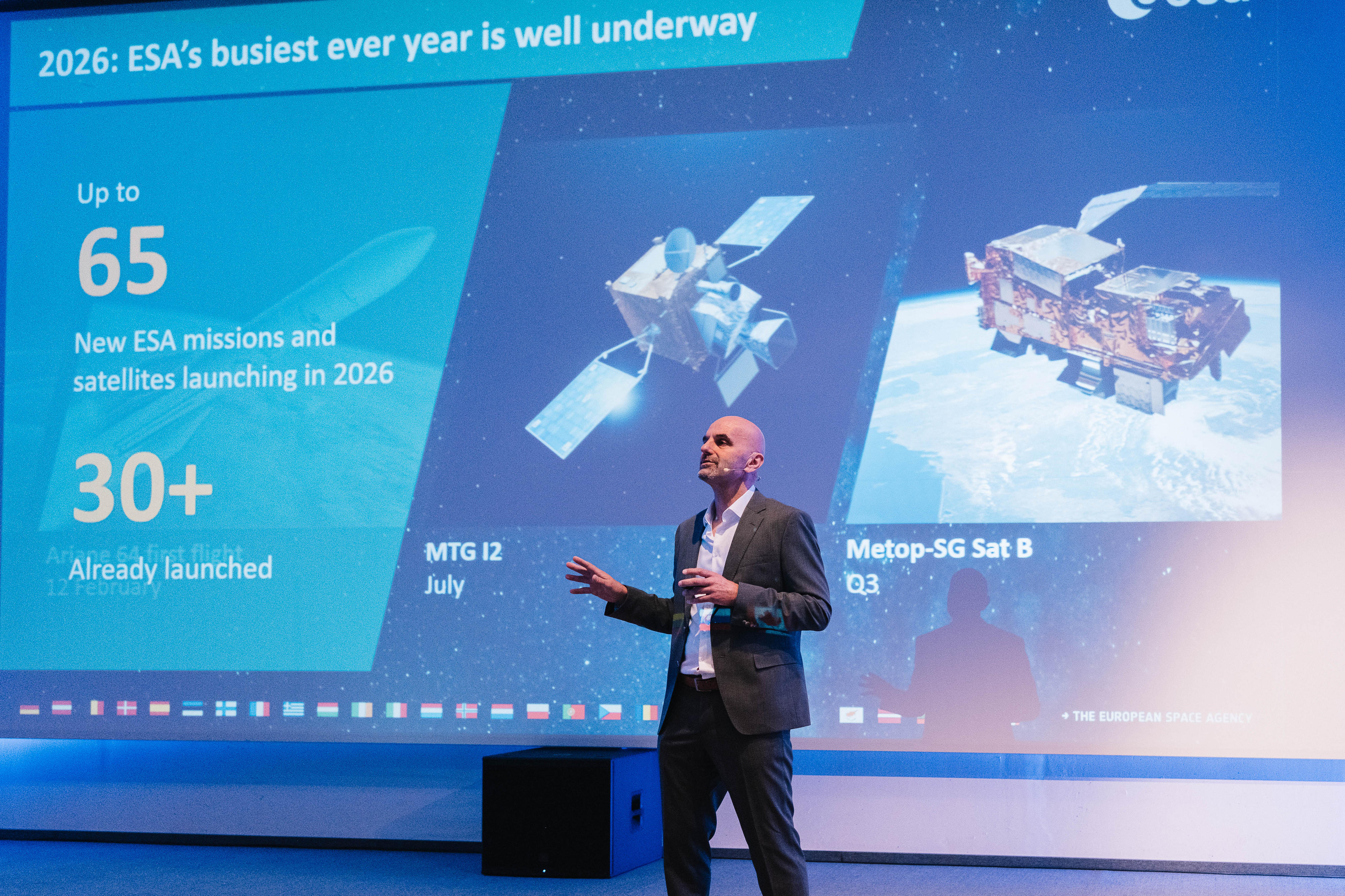
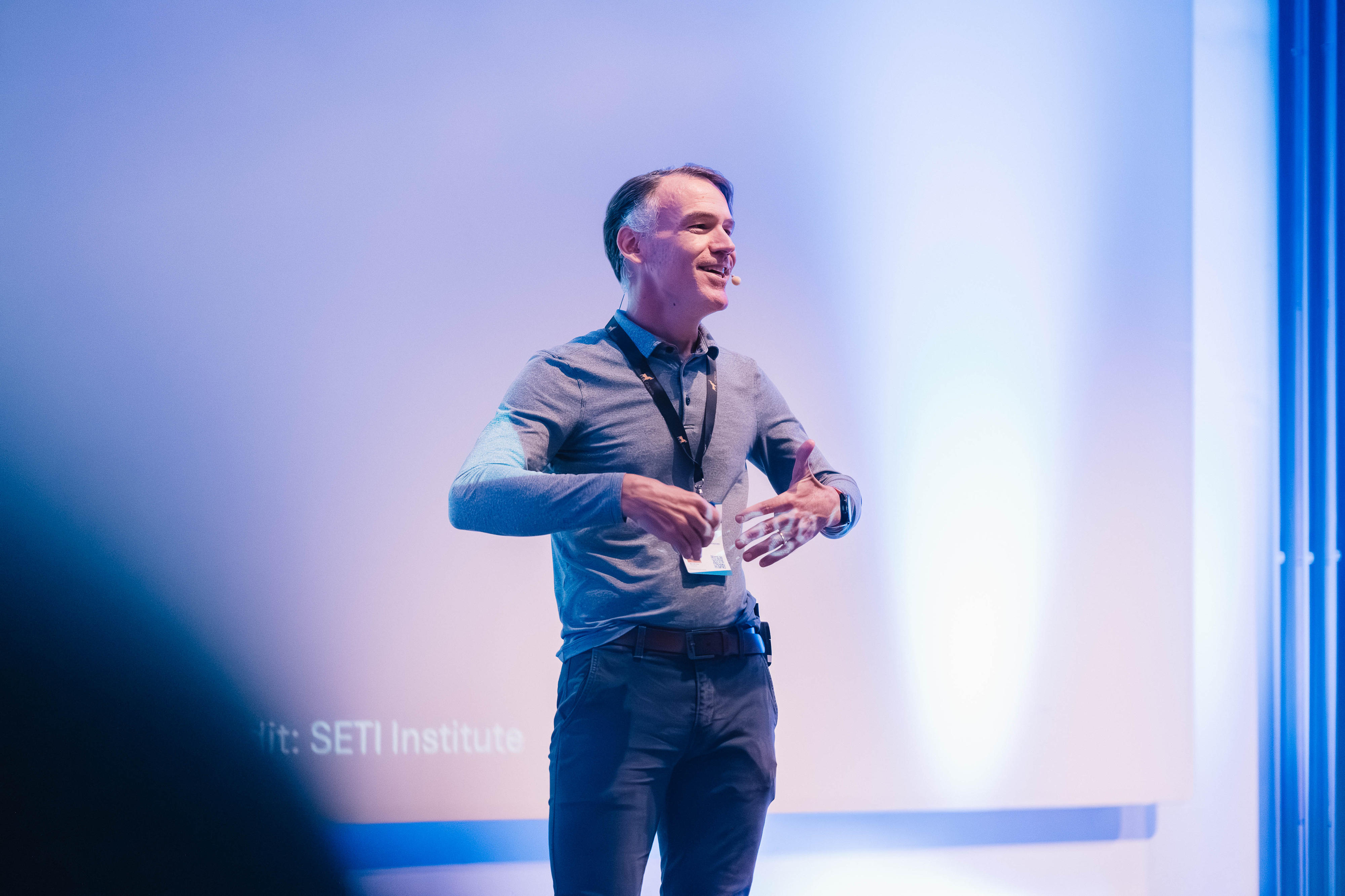
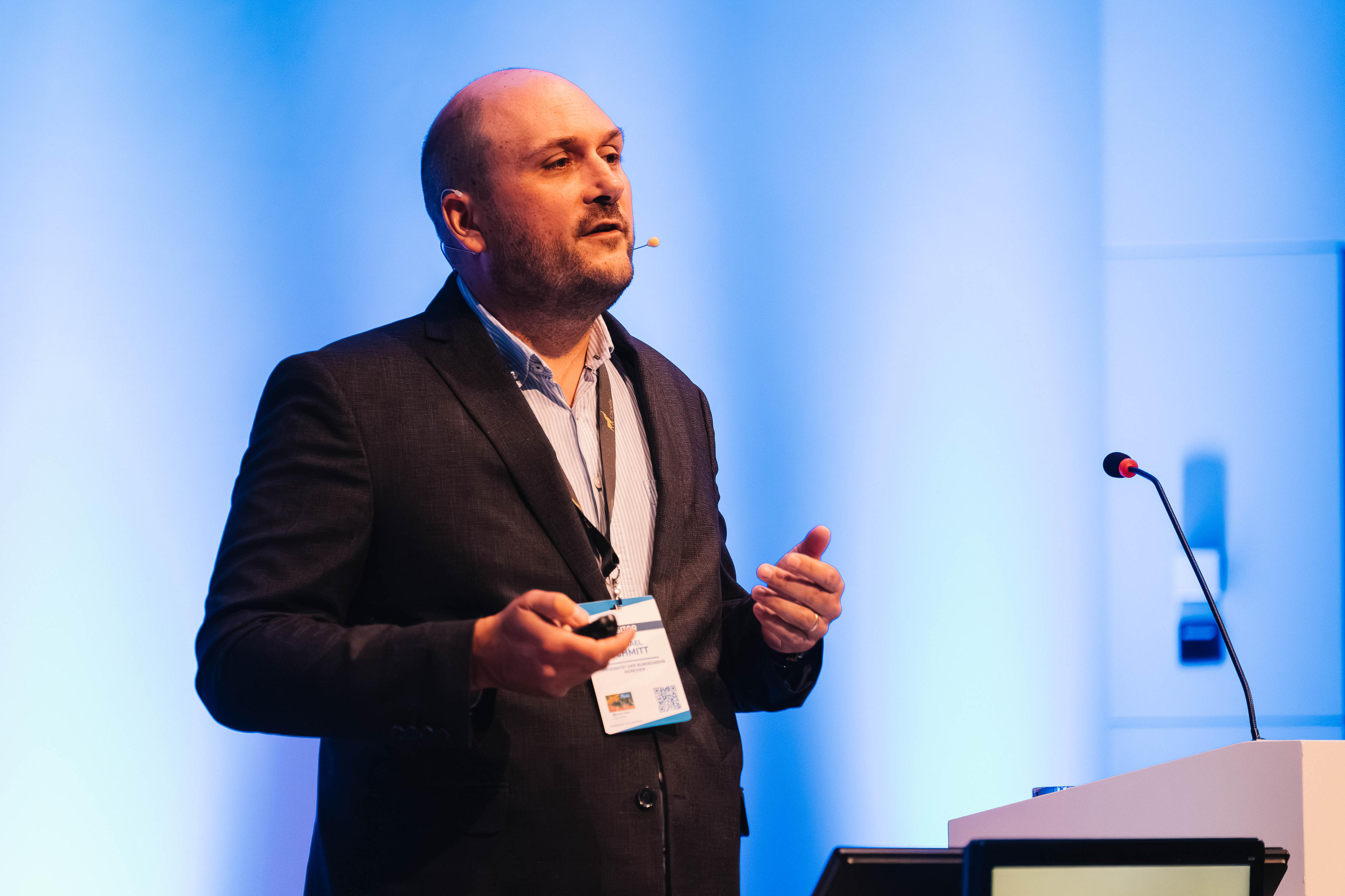
The importance of SAR for governments, scientists, industry, and everyday life has grown enormously. Alongside the growing demand for numerous institutional missions, a rapid ramp-up of new initiatives providing commercial data at significant scale made resilient, responsive, and reliable data sources increasingly relevant. We were delighted that Dr. Dietmar Pilz shared ESA's view on SAR's evolution during our first keynote. Multistatic observation is gaining momentum, introducing new challenges in synchronisation and phase referencing across distributed platforms — these issues were addressed by our second keynote, Dr. Eric Villard, who brought an "outside" perspective from his work in radio astronomy at the European Southern Observatory. Because growing capabilities generate huge data volumes, automation is essential; consequently, AI techniques are emerging as one of dominant trends in SAR data exploitation, a development explored and presented by Prof. Michael Schmitt during the third inspiring keynote speech.
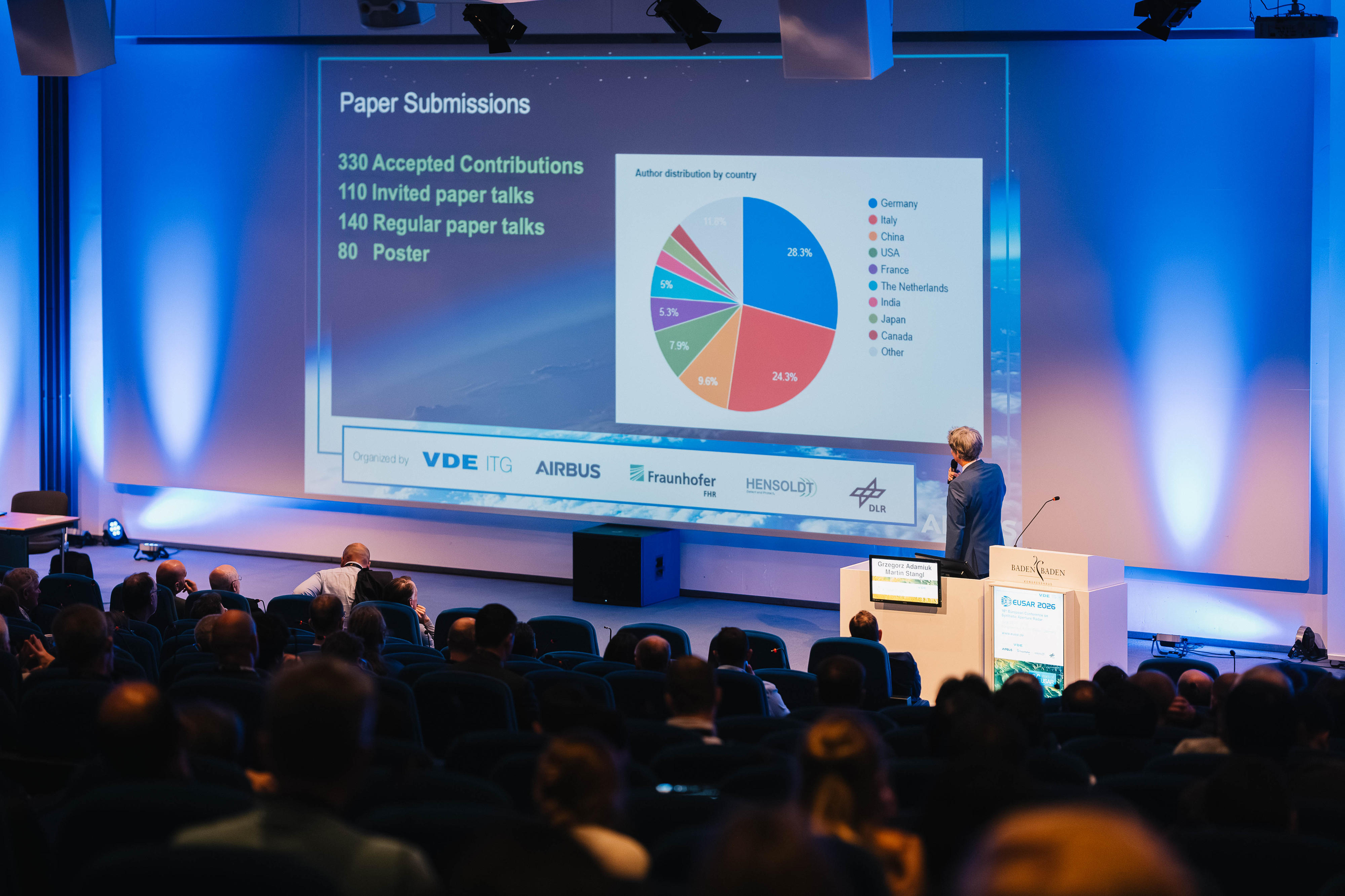
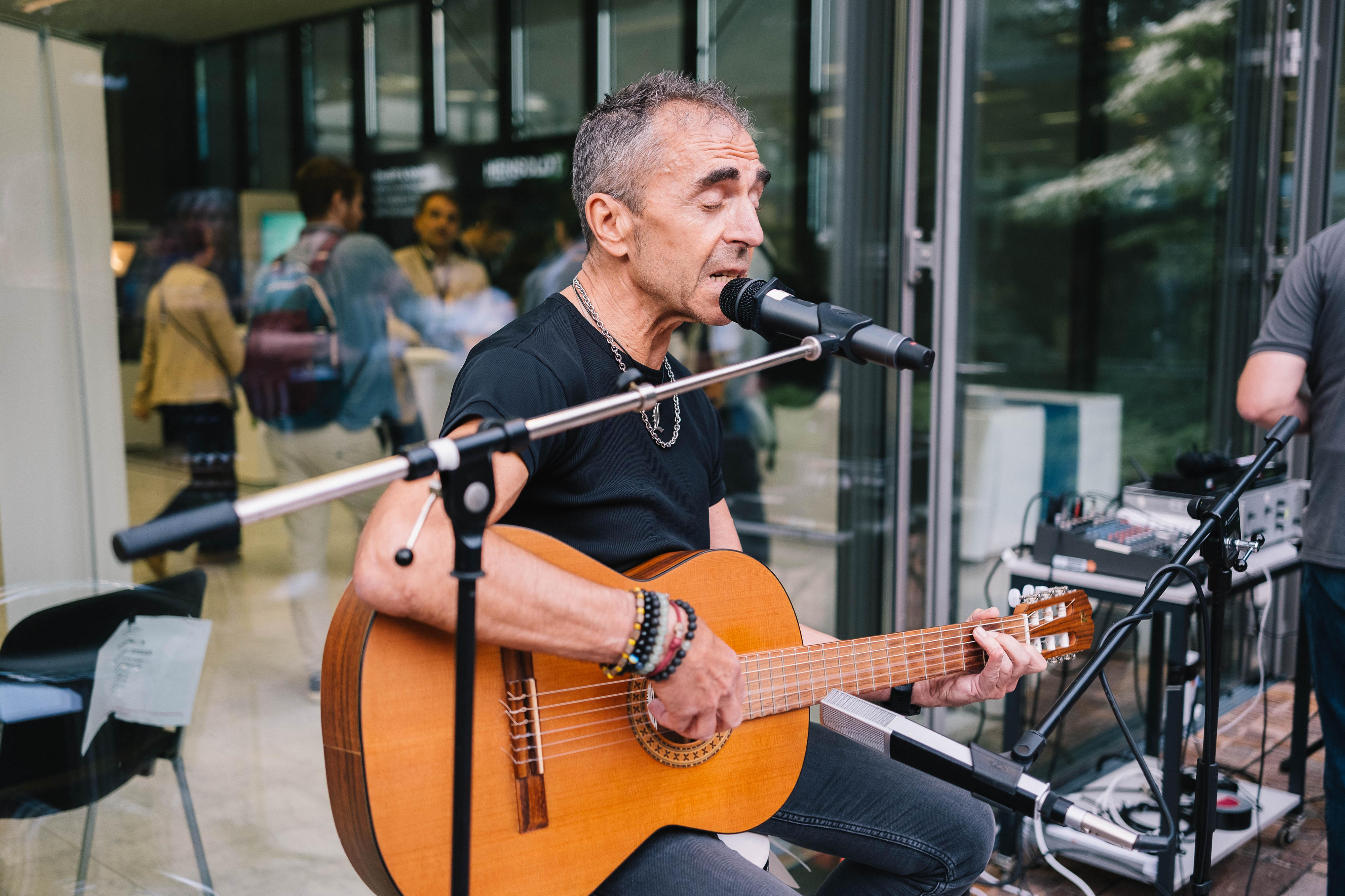
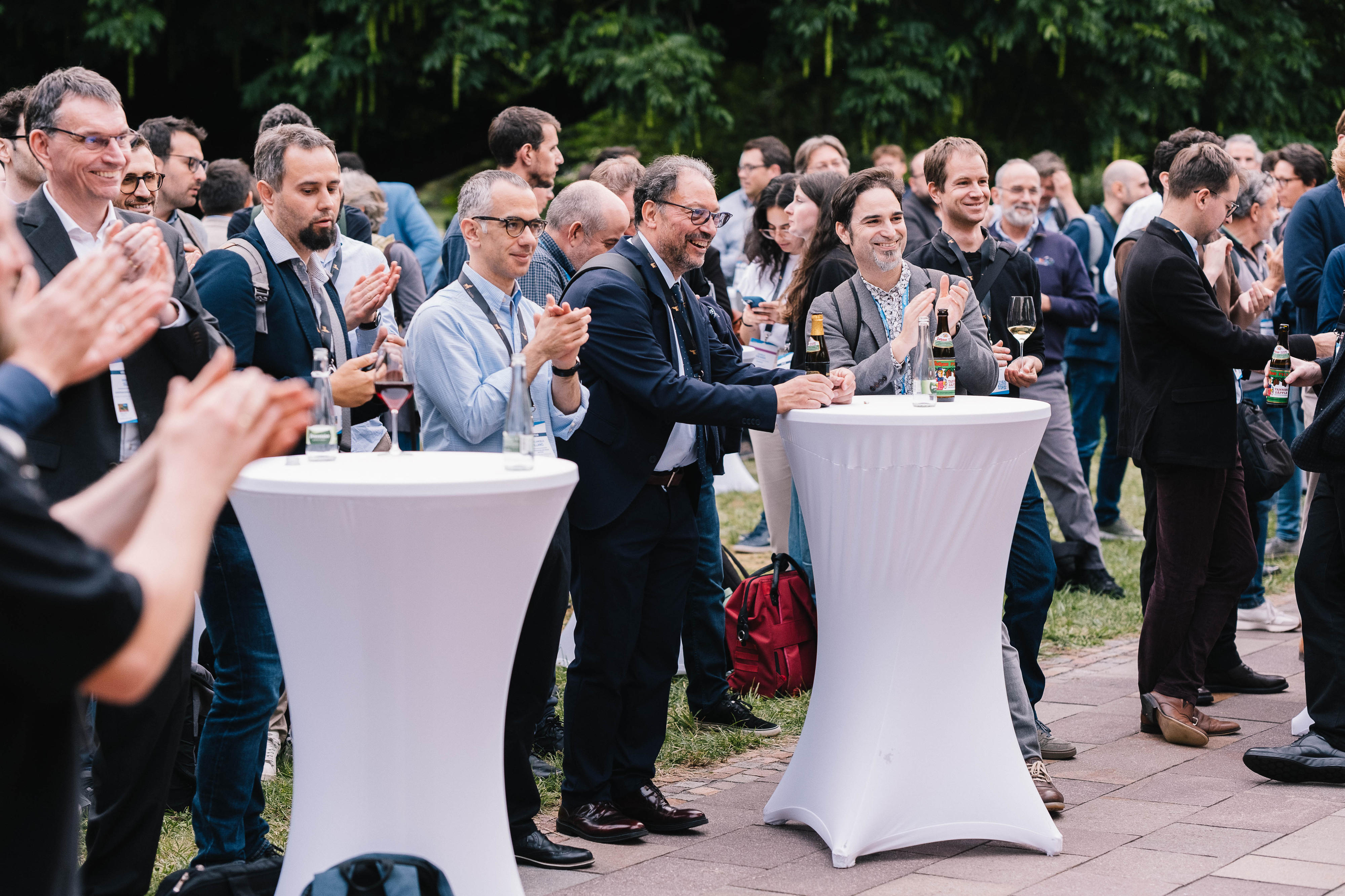
Based on the evaluation of the Technical Programme Committee (TPC), this edition of EUSAR accepted around 330 contributions, including invited talks, regular papers and posters. The event enjoyed excellent international participation and a broad, diverse programme. This programme was built around invited sessions covering recently commissioned space-borne SAR missions such as NISAR, BIOMASS, and ALOS-4, as well as updates on operational missions like Sentinel-1, Cosmo-SkyMED, and TanDEM-X. Spaceborne missions under implementation and new mission ideas, such as Harmony, national missions developed under ESA supervision, interplanetary SAR missions, and ROSE-L, were also covered. Emerging topics such as AI, RF-interference, and UAV-based SAR were addressed, while contributions on relevant technologies were highlighted in two invited sessions on SAR front-ends and back-ends. The regular sessions covered traditional topics of SAR applications, image processing and calibration, as well as multistatic and interferometric systems. The Wet Poster Session on Tuesday evening provided a vibrant platform for in-depth discussions, followed by a barbecue and a guitar concert by renowned SAR community member Ramon Torres. For the first time in EUSAR history, a Talent Night was organized on the evening before the opening ceremony. This event served as a casual platform for an exchange between potential employers and talents launching their professional careers and those seeking new challenges. The event was a great success, fostering new connections and serving as an excellent icebreaker for the conference.
We extend our gratitude to the independent awards committee, organized by Prof. Lombardo, for their careful selection of the best paper, best poster, and the three best student papers. The winners, announced during the closing ceremony on Thursday, are: